Expert Panel: Bulbul Ahmed, Senior SEO Consultant, BDS
Last updated: 21 Jun 2021
In 2026 content writer doesn’t just need to stuff traditional keywords to stay up with the present search engine algorithms and AI search platforms (like Google SGE or Search Generative Experience).
In the current AI driven search ecosystem, maximum weight has to be given on the quality, depth and readability of the material to rank.
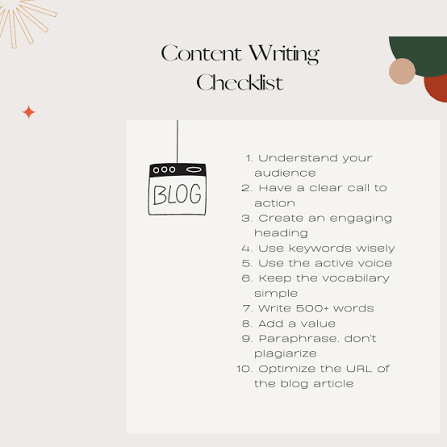
If you want to boost the organic traffic and ranking of your blog then closely follow the final on-page checklist comprising the following 5 steps whilst generating content:
1. Content Planning and Keyword Research
So the secret to a successful blog article is to plan it out properly. Before you begin, ensure you have the following:
- Start the content with 1 main and 2-3 secondary/LSI keywords.
- Match Search Intent: Understand what the user is looking for on Google (are they looking for information, comparing different brands or shopping directly) and style the material accordingly.
- Competitor Analysis: Search your target keywords to identify the shortcomings or content gaps of the top 5 highest ranked blogs and fill in those gaps in your own work.
2. Using On-page SEO
It’s crucial to optimize technical on-page features so search engine crawlers or bots can readily interpret your content:
- Place your main keyword at the start of the title and keep the whole length to 60 characters.
- Meta Description: Write a persuasive meta description with your focus keyword and a good click-through rate (CTR).
- Keep the permalink or URL slug always brief. Add the keyword with a dash (-).
- Heading Tags (H1, H2, H3): Use only one H1 tag (main title) in the blog article.
3. Content Structure and Readability
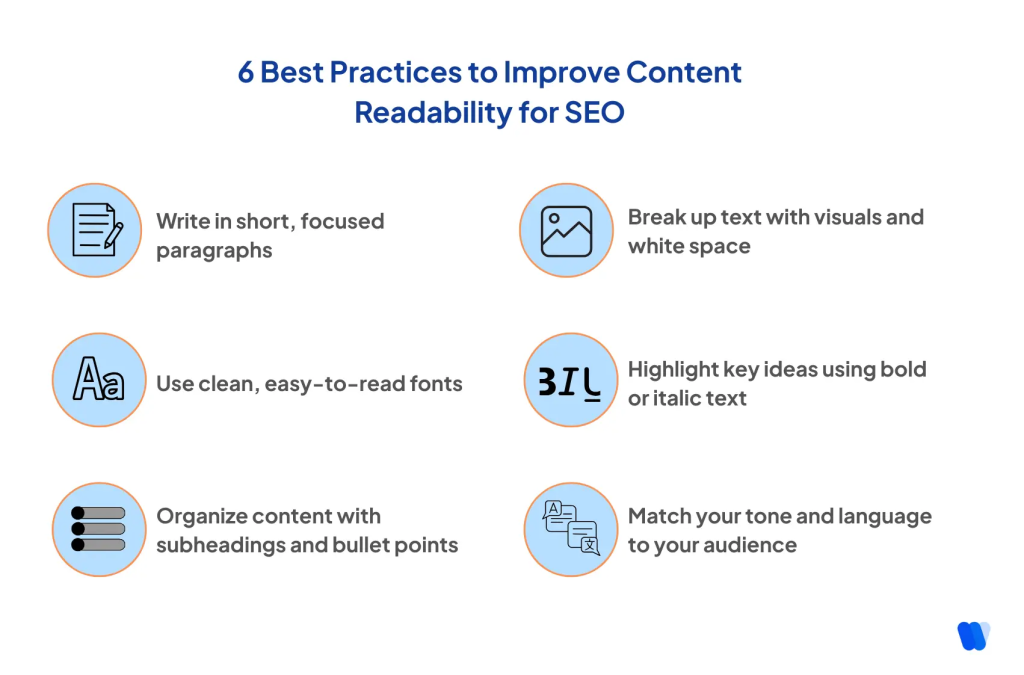
In the age of AI search, the ‘Dwell Time’ or time on the page of the user is highly crucial.
To help the reader read the whole article, please follow the rules below:
- Easy flowing language: Avoid difficult or too academic words and phrases. Write in a way that is easy for most people to understand and follow.
- Avoid text like short paragraphs and big barriers: Do not have more than 2-3 phrases each paragraph so that it may be quickly navigated on the mobile device.
- Bullet points and lists: Use bullet points or numbering lists to make it easy to scan any complex facts or information, and to keep consistency.
- Bold text: The bold text should be used for the most crucial bits of content, figures or keywords, so the reader can grasp the primary concept quickly.
4. External and internal links
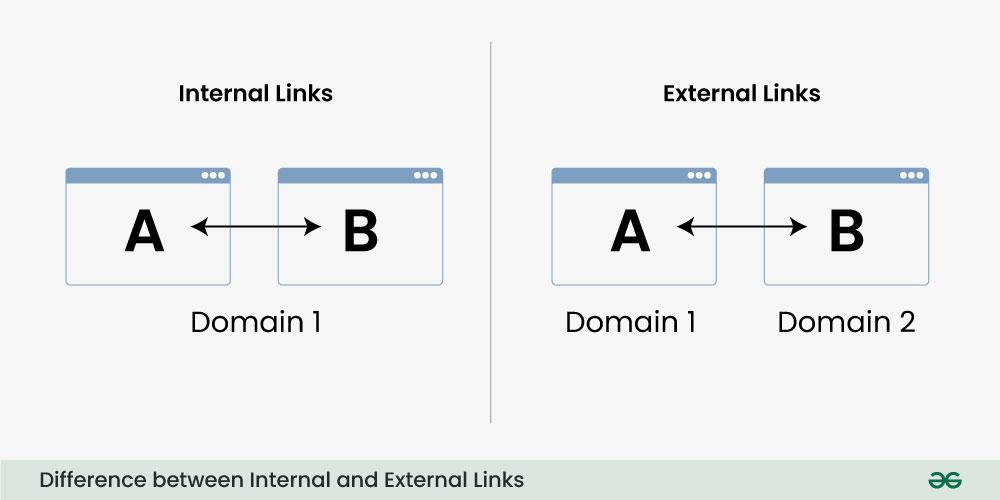
Linking helps to boost the authority of your website and makes it easier for Google to crawl:
- Link to other old and similar blogs on your own website when appropriate in the material. It will bring down the bounce rate.
- External Links: Add an external link to a credible and quality website, such as Wikipedia or an official research page, to verify the veracity of the information you provide.
- When you add an external link keep the ‘Open link in a new tab’ option on so even if the reader clicks on another link your website does not get cut off.
5. Media and Call to Action (CTA)
To make material engaging and conversion-ready, you must include graphic elements and instructions:
- Search engines can’t understand images. So add the file name of each image used in the blog and relevant keywords in the alt text. (e.g. alt = “SEO-friendly blog writing checklist” )
- Media Files: Use quality mockups, infographics or relevant Youtube videos to make the blog more appealing and to keep the user retention.
- At the very conclusion of a clear call to action (CTA) piece, inform the reader what to do next. Have a clear directive or button (CTA) to remark, share on social media, download a free file or subscribe to a newsletter.
This is the last time we see him
In the 2026 search dynamics, content is the first thing that can provide a proper response to people’s queries or problems directly without any broker or artificial use of keywords. Use this checklist to guide each of your future blog posts.
For advanced suggestions and instructions on digital marketing, search engine optimization (SEO) and professional content writing visit our main portal BDS Bulbul Ahmed. com
A follow up question for you: do you want to optimize keywords for your unique blog, or do you want to learn more about using a specific seo tool (e.g. semrush or ahrefs)?