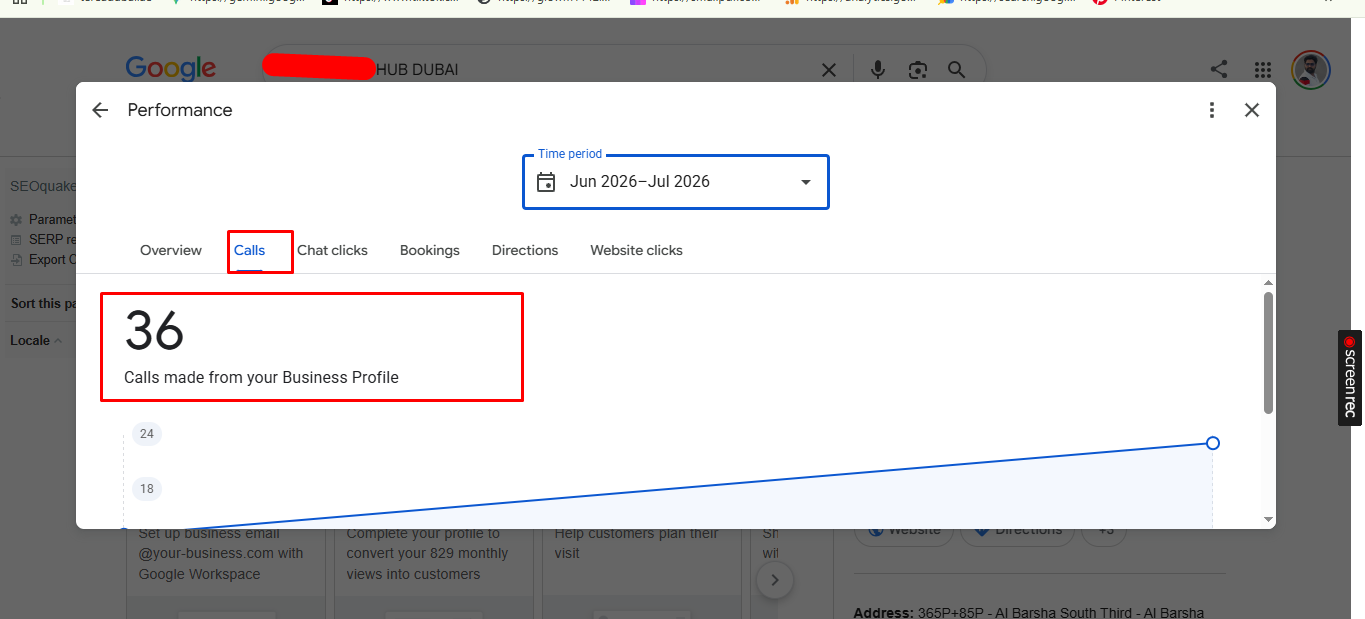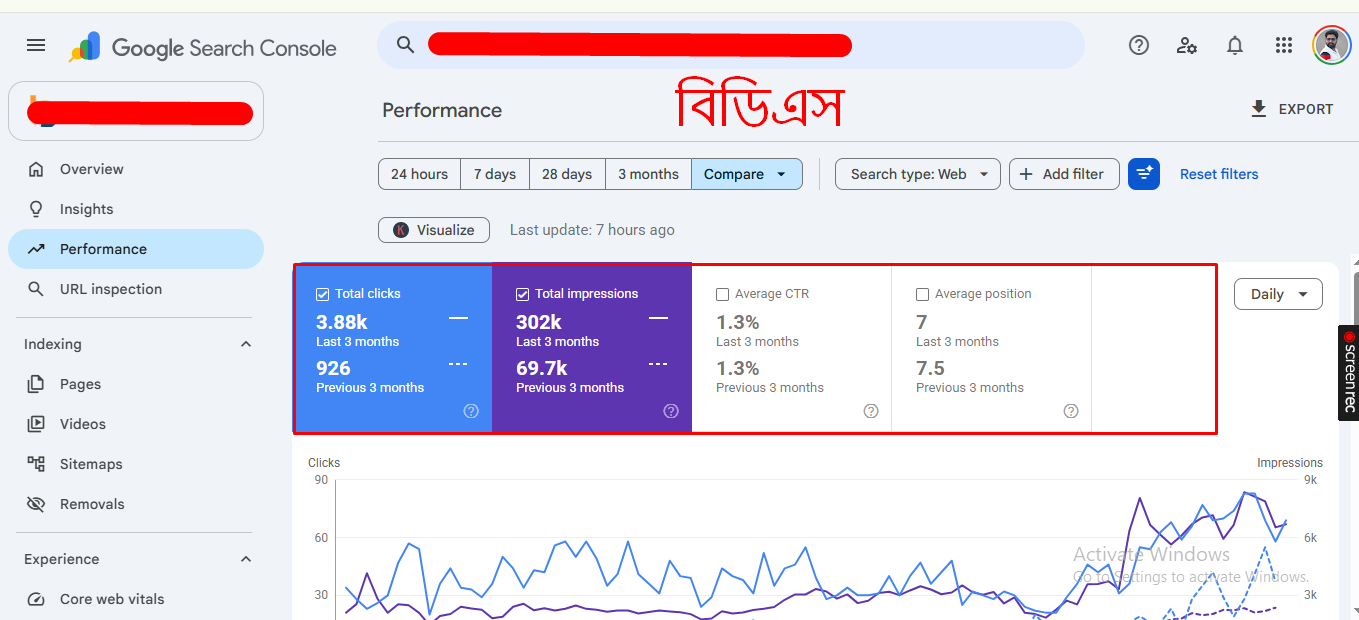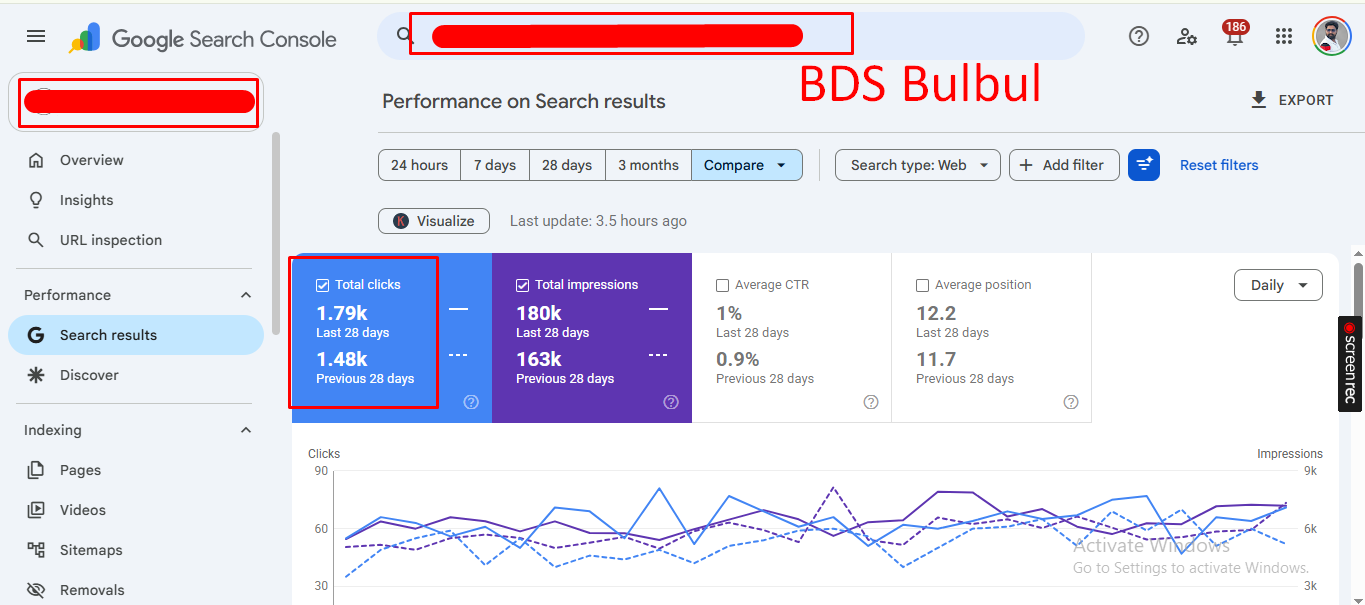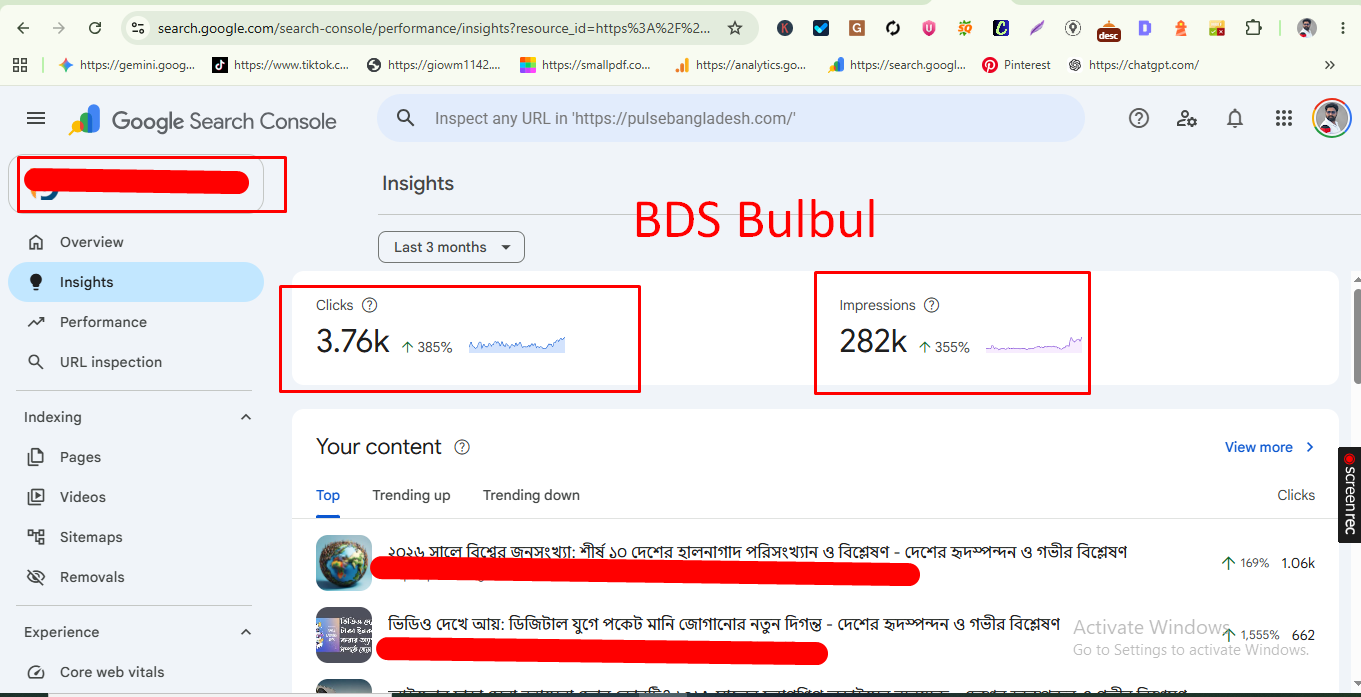
Keyword Gap Analysis is one of the most powerful and data-driven strategies to overtake your competitors in organic search results. Put simply, it is the process of identifying highly profitable search terms that your direct competitors are already ranking for on Google, but your website completely lacks.
Instead of guessing what your target audience is looking for, this analysis hands you a pre-verified roadmap. Extracting these high-value keywords allows you to patch your content holes, redirect your competitors’ traffic to your own domain, and rapidly scale your organic conversions.
The Step-by-Step Keyword Gap Analysis Framework
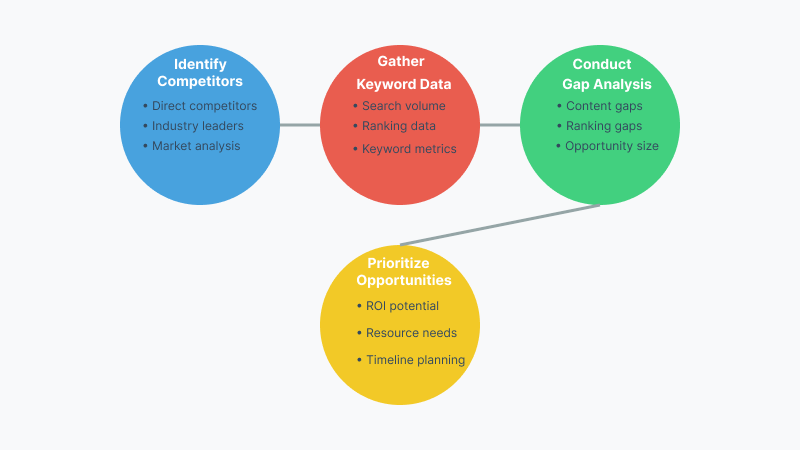
To pull actionable data from your industry rivals and convert it into ranking content, execute this systematic process:
1.Select a Specialized Competitive Intelligence Tool:Step 1.
To map complex domain overlaps, you must leverage a premium SEO suite. Use Semrush (via its dedicated Keyword Gap tool), Ahrefs (via Content Gap), or Ubersuggest if you need a budget-friendly starting point.
2.Isolate Your True Organic Competitors:Step 2.
Search Google for your core services or primary topics to pinpoint 3 to 5 domains consistently commanding front-page real estate. Focus on your direct search competitors—these are the sites actively diverting clicks away from your business.
3.Extract the Domain Cross-Over Data:Step 3.
Input your root URL along with your competitors’ URLs into your chosen analytics tool. Apply a specific database filter to display terms where at least two competitors rank in the top 10 positions, but your domain ranks outside the top 50 or doesn’t appear at all.
4.Filter for Commercial and Financial Viability:Step 4.
Refine your master list by filtering for manageable Keyword Difficulty (KD) scores, stable monthly Search Volume, and exact Search Intent (prioritizing high-intent Commercial and Transactional phrases over purely vague, broad terms).
Refining and Prioritizing Your Uncovered Keywords
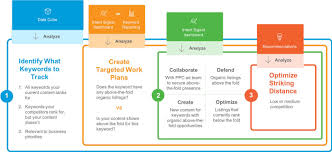
A successful gap analysis will generate thousands of raw search phrases. To protect your production schedule, parse your data through three essential strategic filters before writing a single word of content:
- Search Intent Alignment: Group your keywords by user intent. Ensure informational queries feed into long-form educational blog posts, while commercial or transactional queries are mapped straight to dedicated service or landing pages.
- Keyword Difficulty (KD) vs. Topical Authority: If your website has a lower Domain Rating (DR), prioritize low-difficulty or long-tail phrases first. These offer immediate ranking opportunities while you steadily build out deeper site equity.
- Search Volume Efficiency: Look for highly specialized terms with modest, steady monthly search trends. These often convert at a much higher percentage than massive, ambiguous search terms.
Transforming Discovered Gaps into Ranking Revenue
Finding the data gaps is only half the battle. To successfully secure rankings and capture traffic, implement a dual-phase optimization strategy across your domain:
Phase 1: Content Deployment & On-Page Calibration
Create rich, comprehensive resources designed to be demonstrably superior to your competitors’ matching pages. Naturally integrate your primary target keyword into your page’s Title Tag, Meta Description, URL slug, and main H1 heading. Break up subtopics logically using H2 and H3 subheadings, ensuring your primary copy answers the user’s intent clearly without ever resorting to robotic keyword stuffing.
Phase 2: Backlink Profile Alignment (Off-Page SEO)
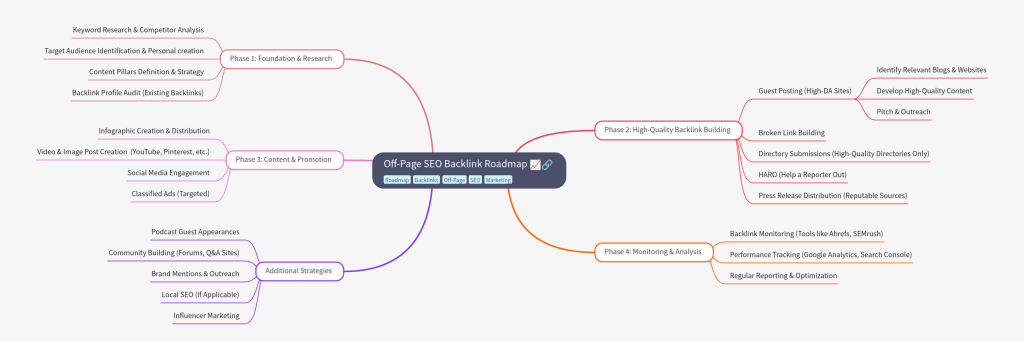
A comprehensive gap analysis also uncovers your competitors’ backlink footprints. Export the specific referring domains providing high-authority link equity to your competitors’ ranking pages. Reach out to those same publishers using guest blogging, broken link replacement, or direct editorial outreach to earn strong, contextual backlinks for your newly published content.
Strategic Industry Takeaway
Blind keyword research wastes valuable time and ad budget. Conducting a structured keyword gap analysis hands you a battle-tested roadmap built directly from what is already working in your market. It eliminates guesswork, highlights immediate traffic opportunities, and outlines exactly how to systematically outpace your organic competition.