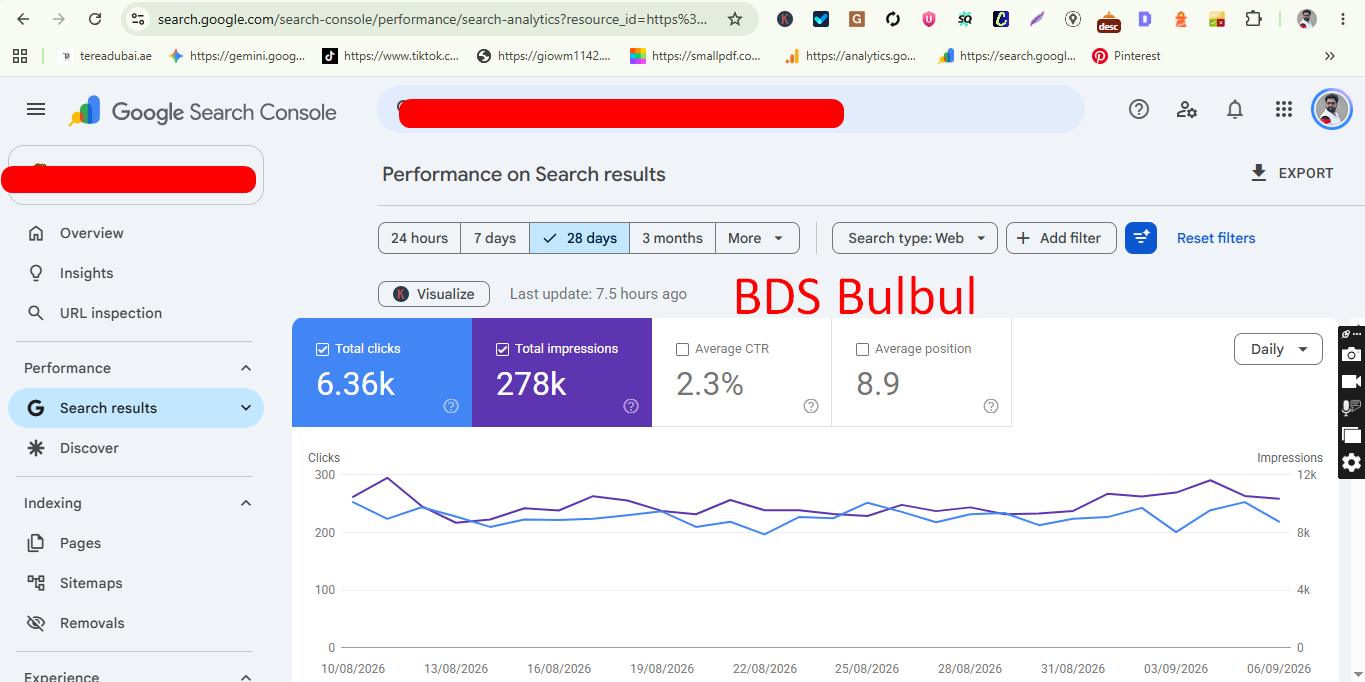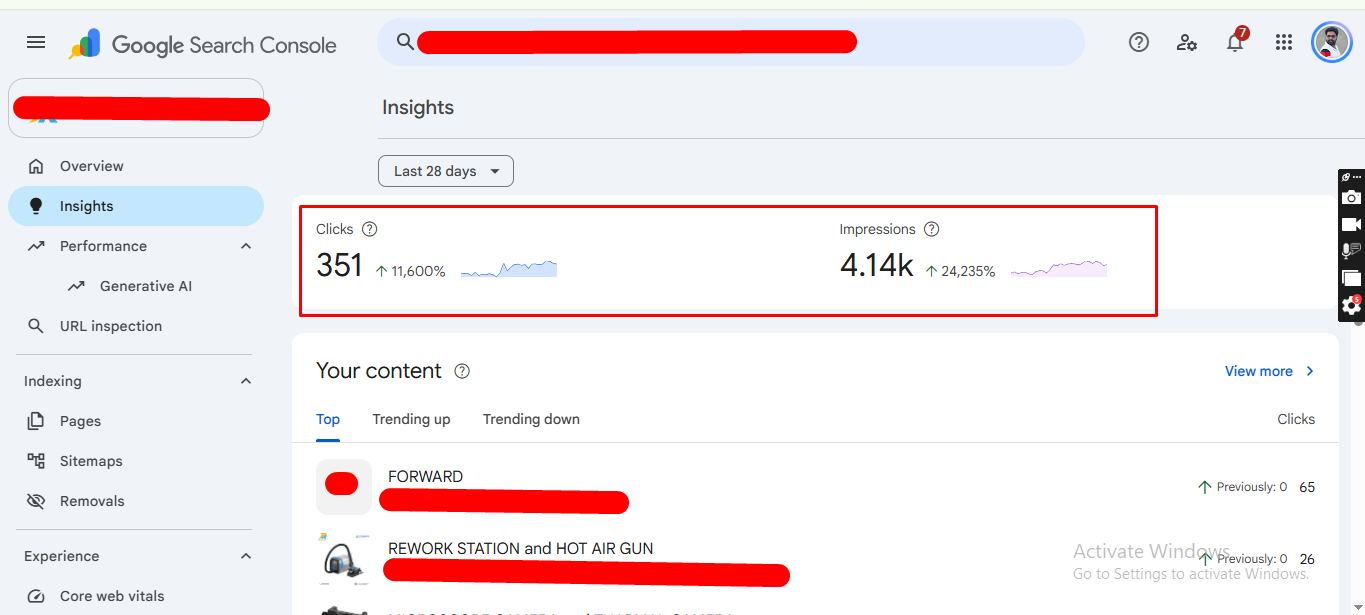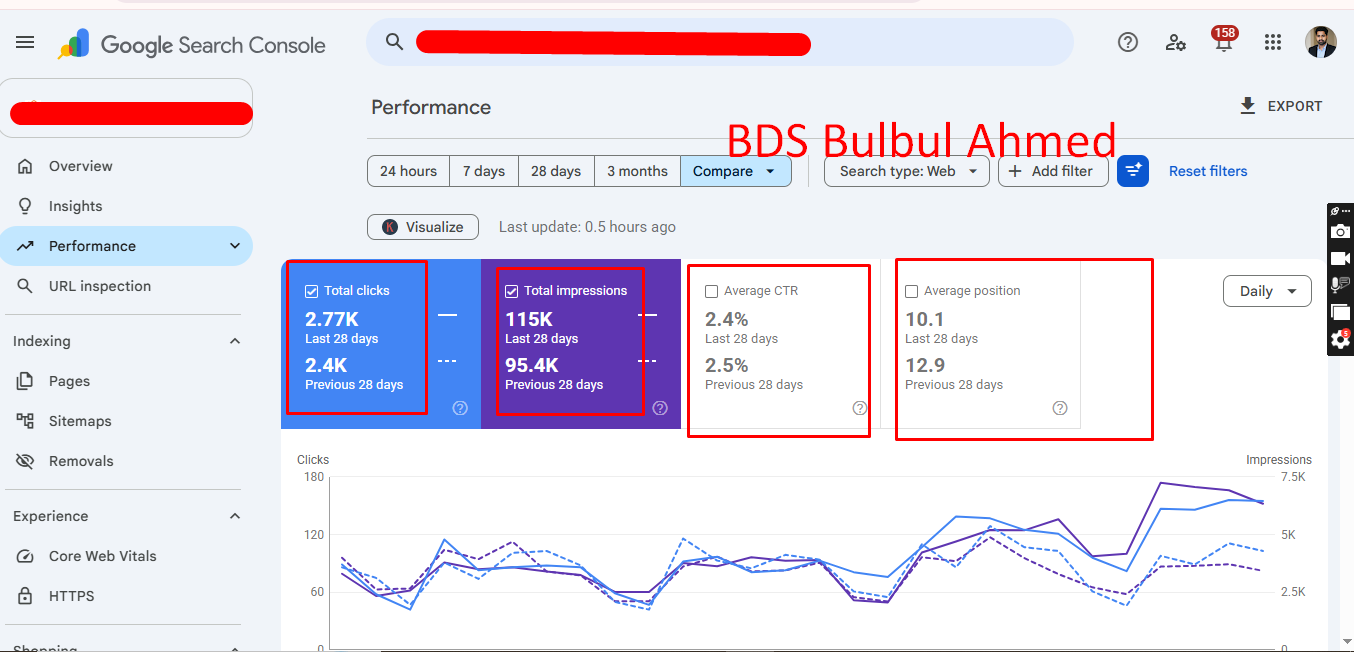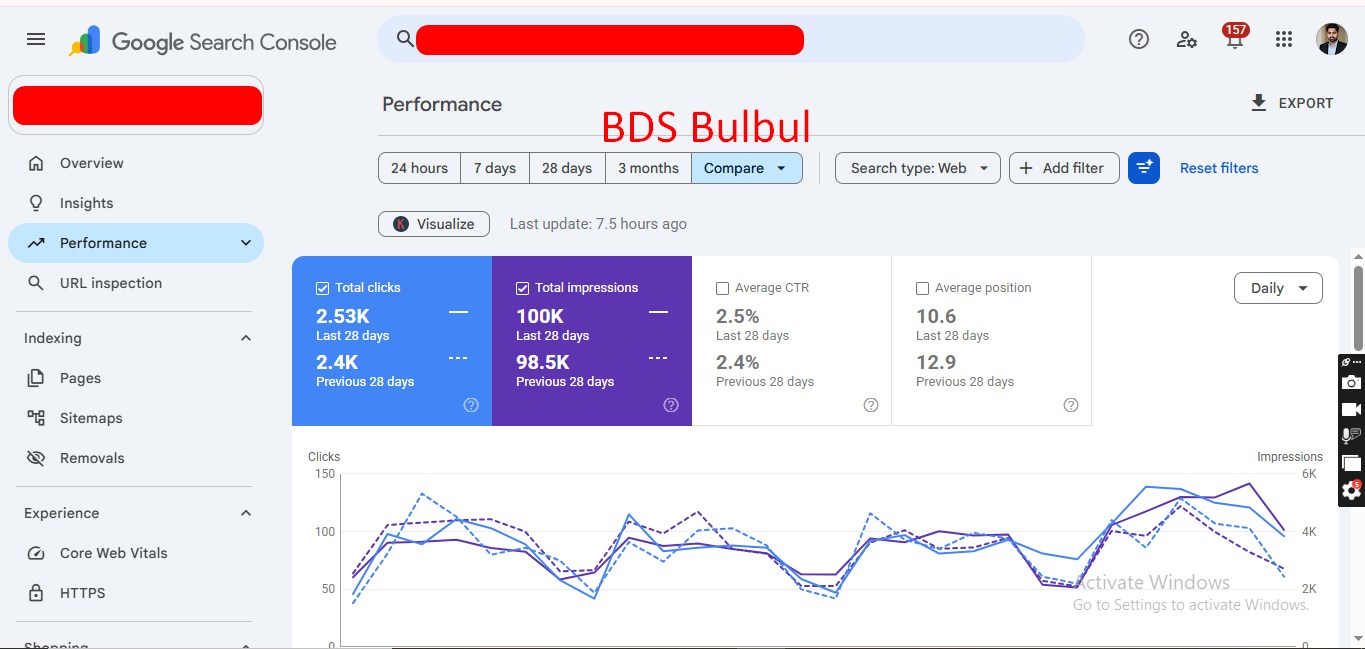
Google’s Helpful Content System has one clear mission: reward content written for humans and penalize content built for search engines.
Many creators fall into the “AI-content trap.” They mass-produce generic, unedited AI articles. This triggers Google’s spam algorithms and tanks their traffic.
To win at SEO today, you must pivot from AI-generated fluff to high-value, human-vetted content. Here is how to do it.

1. Move from “AI-Generated” to “AI-Assisted”
Google does not ban AI content. It bans low-effort content. Treat AI as a research intern, not your head author.
- Use AI for outlines: Let AI structure your headings, brainstorm angles, or summarize long research documents.
- Inject “Information Gain”: AI can only repeat what is already on the web. Add new information, unique perspectives, or proprietary data that cannot be found elsewhere.
- Inject first-hand experience: Use phrases like “In my 10 years of testing this…” or “During our team’s hands-on trial…” Google specifically looks for real human experience.
2. Optimize for E-E-A-T
Google uses four pillars to measure content quality: Experience, Expertise, Authoritativeness, and Trustworthiness.
- Show real credentials: Publish articles under a real author name. Include a detailed bio, headshot, and links to their LinkedIn or professional profiles.
- Cite credible sources: Link out to government databases, academic papers, or official industry studies.
- Add custom media: Use original photos, screenshots, videos, or infographics. AI cannot generate real-world evidence of a product or service in action.
3. Prioritize “Searcher Task Accomplishment”
A page is helpful if the user leaves satisfied. If a reader clicks your link, gets confused, and then hits the “back” button to visit a competitor, Google marks your site as unhelpful.

- Answer immediately: Place the core answer to the user’s primary query in the first two sentences. Eliminate long, generic introductions.
- Cut the AI fluff: Delete robotic filler words like “In today’s fast-paced digital world,” or “It is crucial to remember.”
- Provide actionable assets: Such as checklists, step-by-step guides, or downloadable templates. Give the user clear tools to put what they just learned into practice.
4. Run a Site-Wide Content Audit
The Helpful Content System applies a site-wide signal. If 30% of your site consists of low-quality AI filler pages, it can drag down the rankings of your original, high-quality pages.
- Prune thin content: Delete or redirect AI drafts that get zero traffic and offer no real value.
- Consolidate similar topics: If you have five short articles covering the same basic topic, merge them into one massive, definitive guide.
- Scannability format: Break up text walls. Use bold text for key insights, short paragraphs (under 3 lines), and bullet points to help users find information quickly.