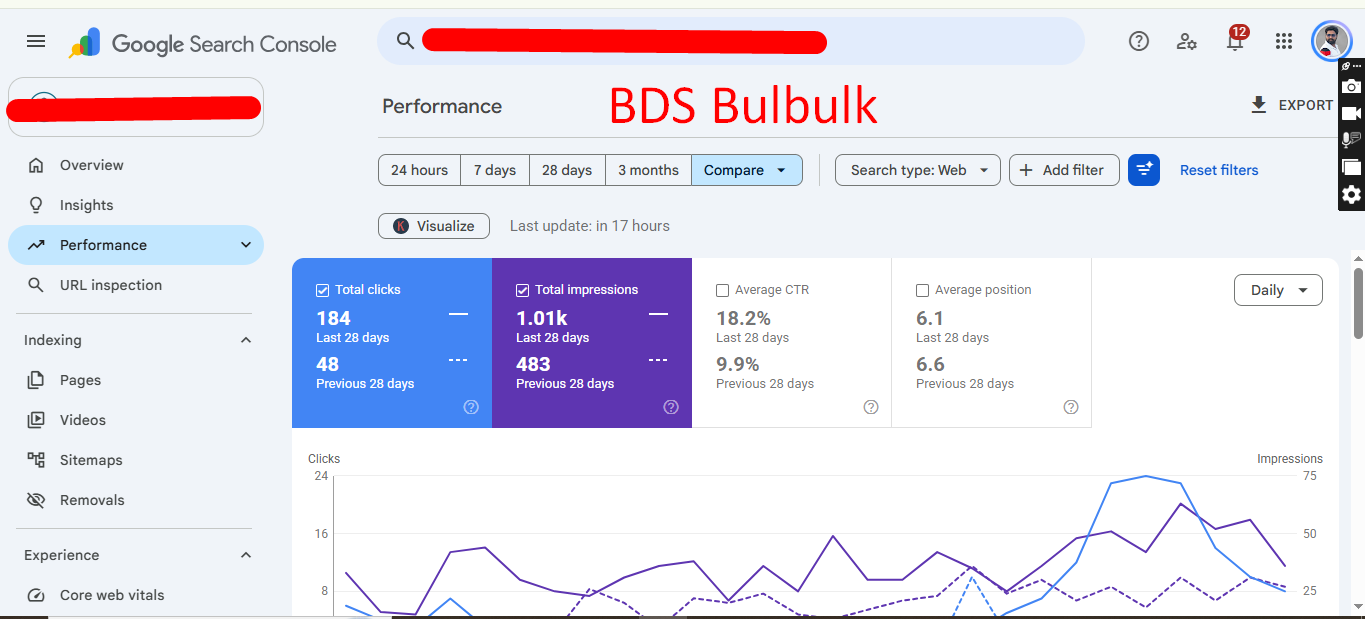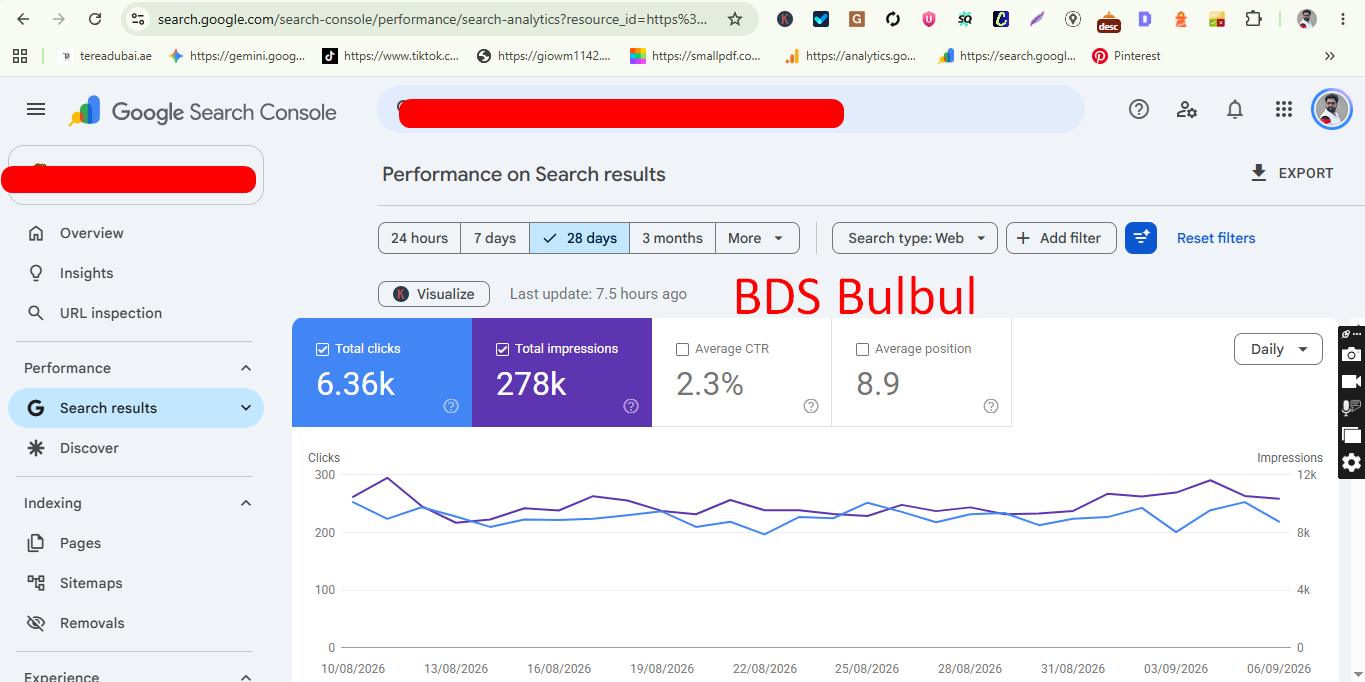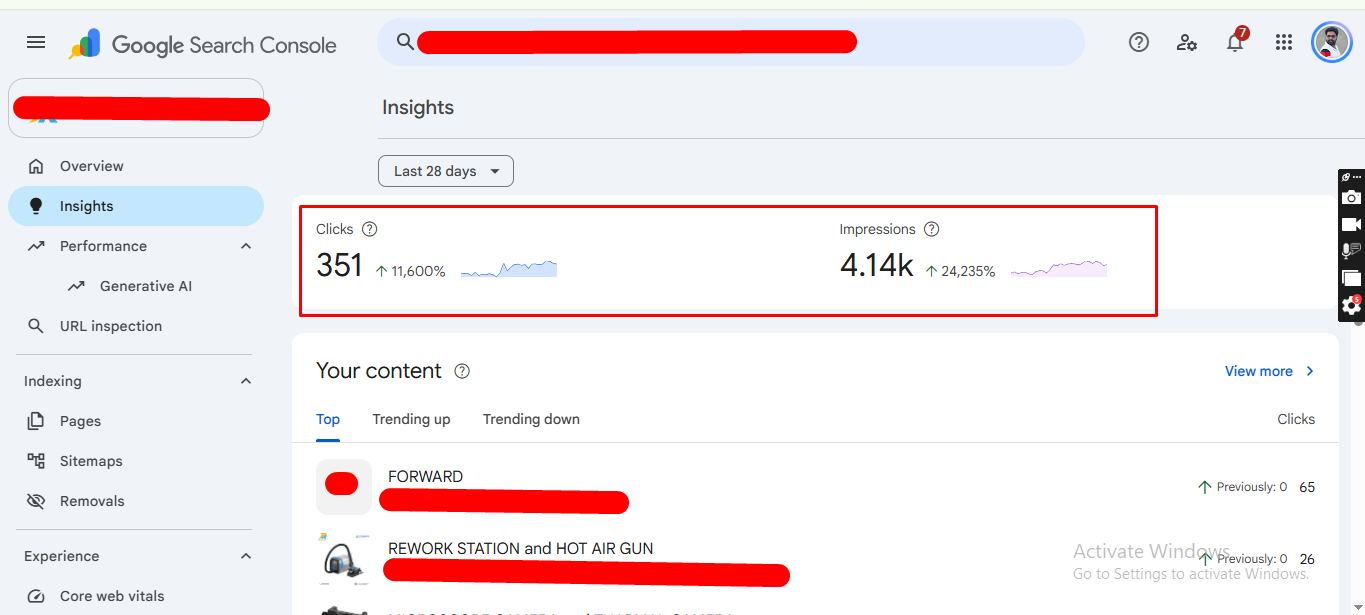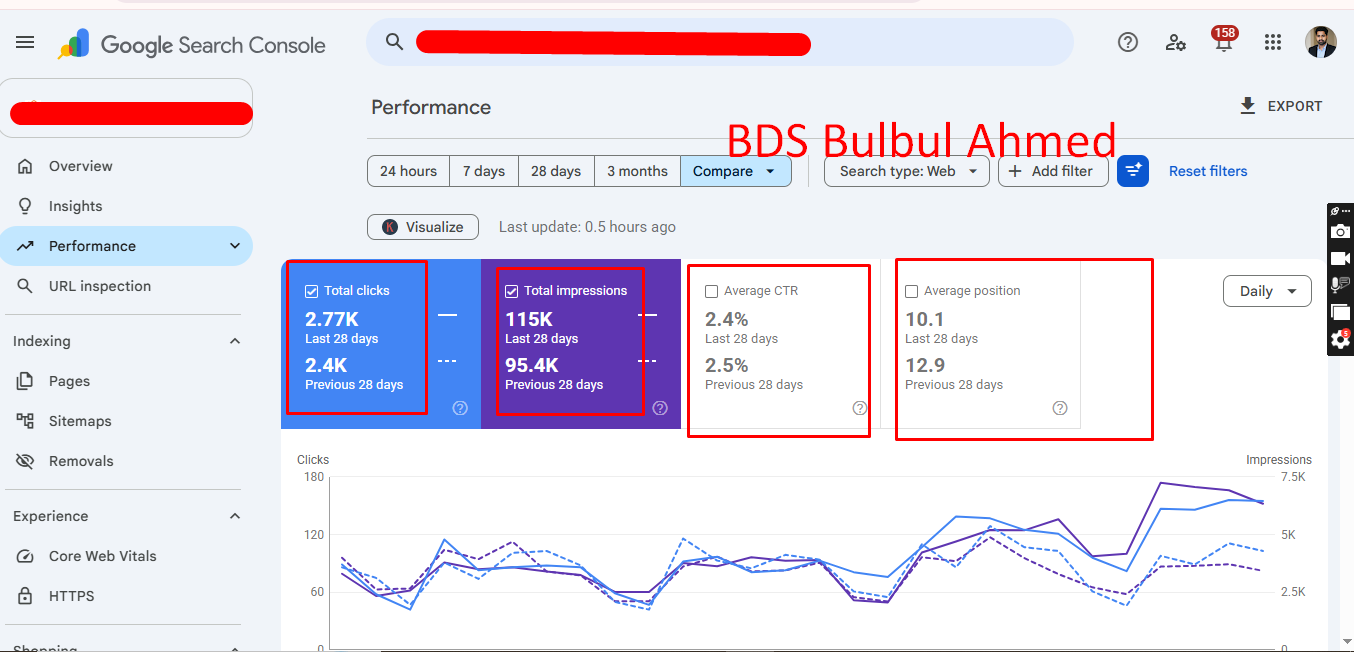
Search Engine Optimization (SEO) is a crucial factor for improving your website’s search engine ranking. It helps ensure your website ranks at the top of Google or other search engine results. Here, we’ll discuss the top SEO techniques that will effectively boost your website’s ranking.
1. Keyword Research
Keyword research is the first and most vital step in SEO. It helps you find terms that suit your target audience, allowing you to optimize your content accordingly.
- Tools: Use tools like Google Keyword Planner, SEMrush, and Ahrefs.
- 💡 Pro Tip: Include long-tail keywords in your targeting. These are more specific and less competitive, such as “best SEO tools for small businesses,” helping you reach a highly qualified audience.
2. On-Page SEO
On-page SEO involves optimizing every page of your website for both search engines and users. Key elements include:
- Title Tag: The title should be clear and concise and include your primary keyword.
- Meta Description: A short, attractive summary of your page content to encourage clicks.
- Header Tags (H1, H2, H3): Use these to provide a correct content structure, incorporating keywords where natural.
- URL Structure: Create simple, concise URLs that include keywords.
- Internal Links: Link to related content on different pages of your website.
3. Content Marketing
Content is the heart of SEO. Creating quality content is not just about ranking; it’s about enhancing the user experience and building brand authority.
- Suggestions:
- Create diverse content like infographics, videos, and blog posts.
- Long-form Content: Google favors well-researched, long-form content that comprehensively covers a topic.
4. Backlink Building
A backlink is a link from another website to yours. Search engines use backlinks as a ranking signal, but quality is paramount. Securing backlinks from high-authority websites increases your site’s credibility.
- Suggestions:
- Guest Blogging: Write a guest post on a high-quality, relevant website.
- Broken Link Building: Find broken links on other sites and suggest replacing them with a link to your relevant content.
5. Technical SEO
Technical SEO addresses the technical aspects of your site so that search engine crawlers can better access and index your pages.
- Key Elements:
- XML Sitemap: A map of all your website pages for crawlers.
- Robots.txt: Prevents crawlers from accessing pages that don’t need to be indexed.
- HTTPS: Use SSL certificates to ensure site security.
- Tools: Use Google Search Console, Screaming Frog, GTmetrix, and Google PageSpeed Insights.
6. Mobile SEO (Mobile Optimization)
With mobile traffic dominating, mobile SEO is vital. Google now uses mobile-first indexing, meaning it indexes the mobile version of your site first.
- Suggestions:
- Responsive Design: Ensure your website works well on both mobile and desktop platforms.
- Page Speed: Optimize your site to load lightning-fast on mobile devices.
7. Google My Business (GMB)
Utilizing Google My Business is essential for improving your local SEO. If you run a local business, GMB will help you rank at the top of local searches and map results.
8. Earned Media
Promote your website through social media, review sites, and other blog mentions. While social signals may not be a direct ranking factor, they increase site traffic and help build relationships that lead to quality links.