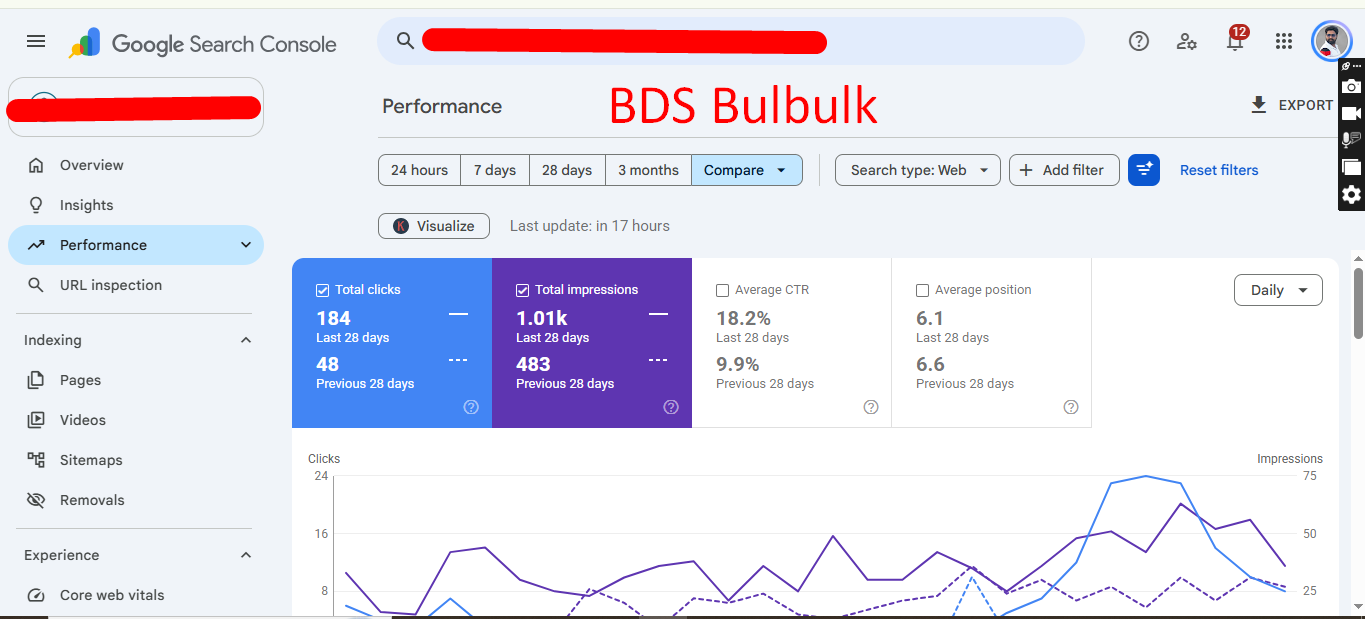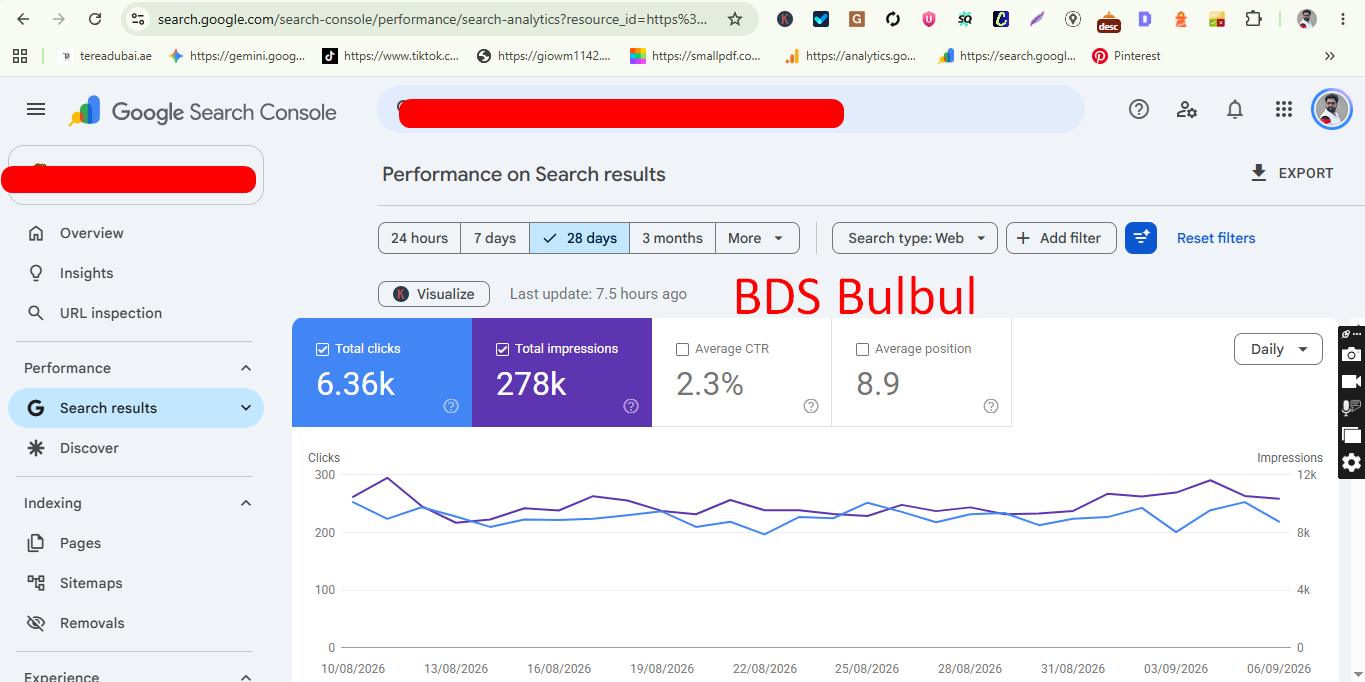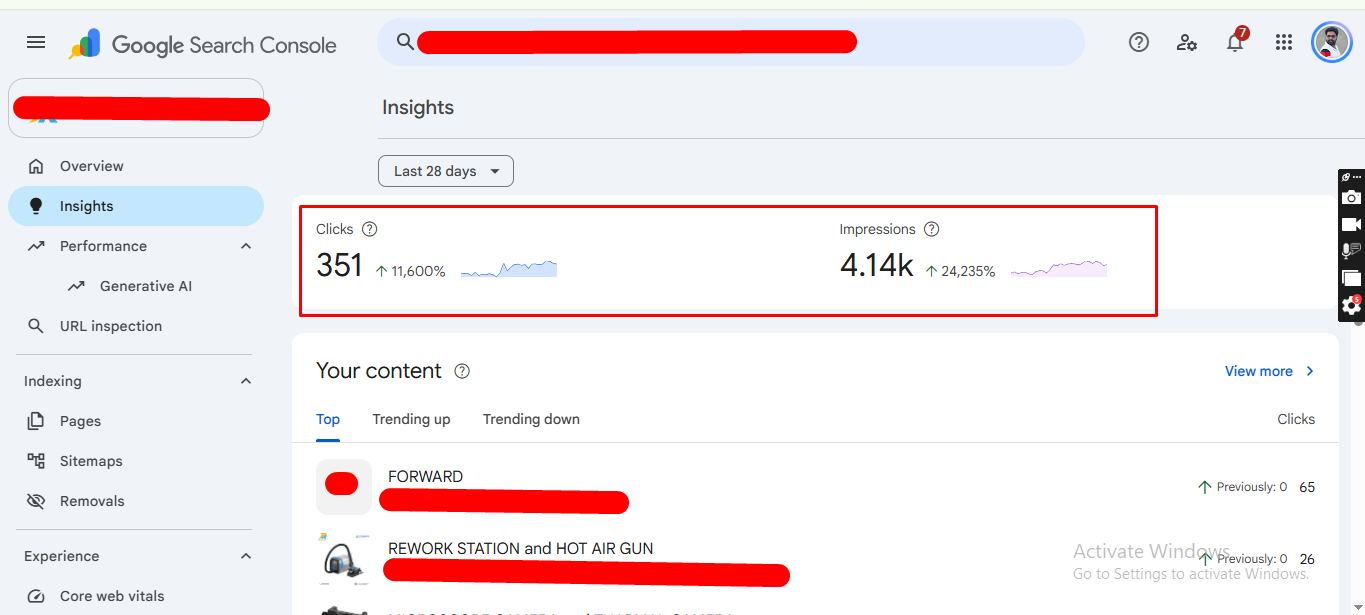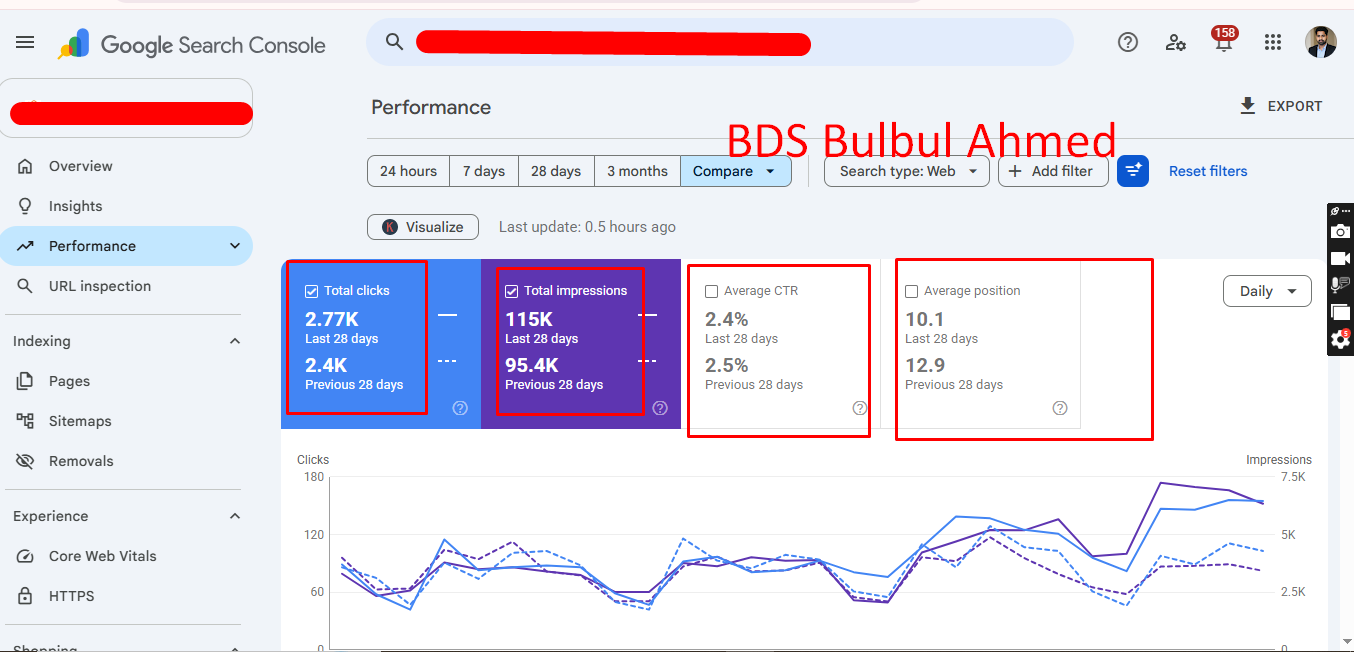
Search Engine Optimization (SEO) is an important process that helps to improve the visibility and ranking of your website. To improve your site’s position in Google and other search engines, you need to apply a specific strategy. Here, we will discuss how to increase SEO ranking and the important strategies you should adopt to achieve this.
1. Creating High-Quality Content
If the content on your site is not of high quality, it will be difficult to improve your SEO ranking. Creating high-quality content that is useful and relevant to your users is extremely important. Google determines the ranking of content by considering user experience and relevance. Here’s how to ensure your content is SEO-friendly:
- Do Excellent Research: Create content based on solid research.
- Keep Content Updated: Regularly update your content to keep it fresh and relevant.
- Use Good Formatting: Structure your content with clear headings and an easy-to-read layout.
- Content Length: Aim for content that is longer than 1,000 words, as it tends to perform better.
2. Keyword Optimization
Choosing the right keywords is essential for your SEO. Content should be tailored to what the user is looking for. The correct way to use keywords is
- Do Keyword Research: Conduct thorough keyword research and use long-tail keywords.
- Add Keywords in Key Places: Include keywords in titles, headings, URLs, and meta descriptions.
- Avoid Keyword Stuffing: Overusing keywords can harm your SEO ranking.
3. A Mobile-Friendly Website
Nowadays, most people search on mobile devices. Google prioritizes mobile-friendly sites in its rankings. Here’s how to ensure your site works well on mobile devices:
- Responsive Design: Ensure your site looks appealing on all screen sizes.
- Test Mobile-Friendliness: Use Google’s Mobile-Friendly Test to check if your site works well on mobile.
4. Page Load Speed
Page load speed is a factor in Google’s ranking. Websites that load quickly are better for both Google and users. To improve your page load speed:
- Make Images Smaller: Compress images to reduce loading time.
- Use Caching Technology: Use caching to store data and speed up loading times.
- Optimize the Server Side: Ensure your server is optimized to perform faster.
5. Backlinks
Backlinks, or external links, are important for increasing the authority of your site. Google evaluates high-quality and relevant backlinks. Here’s how to improve your backlinks:
- Get Quality Backlinks: Collect backlinks from reputable websites.
- Create Different Types of Backlinks: Guest posts, directory listings, and other backlinks can help increase your site’s authority.
6. User Experience (UX)
Your website’s user experience plays an important role in SEO. If the site’s navigation is unclear or the page takes time to load, it can worsen the user experience and increase the bounce rate. To improve UX:
- Easy Navigation: Make sure that the navigation on your website is straightforward and easy to follow.
- Simplify Complex Forms: To get people to use your forms, ensure they are easy to fill out.
7. Internal Linking
A strong internal linking structure is important for SEO. It helps Google index your pages and improves the user experience. Here’s how to improve internal linking:
- Correct Link Structure: Link vital pages so that users can easily navigate through them.
- Use Links in Context: Provide internal links that are useful and guide users to related content.
8. Social Signals
Although social signals don’t directly affect SEO rankings, they can help increase the visibility and traffic of your content. Here’s how to leverage social signals:
- Post Content on Social Media: Share your content on platforms like Facebook, Twitter, LinkedIn, and others.
- Encourage Engagement: Get people to like, share, and comment on your content to drive more traffic.
9. Technical Aspects of SEO
Ensuring that your site is technically sound is crucial for improving SEO. Here’s how to improve the technical aspects of your website:
- Site Security: Use HTTPS and SSL certificates to ensure secure browsing.
- Update Sitemap: Ensure that your sitemap is updated regularly and that your robots.txt file is configured correctly.
- Ensure Technical Optimization: Ensure that your website’s setup is optimized for search engines.
10. Schema Markup (Structured Data)
Structured data helps Google understand your content better, allowing it to appear as rich snippets in search results. Here’s how to improve structured data:
- Use Schema Markup: Implement JSON-LD or Microdata to provide context for your content.
- Enable Rich Snippets: Help Google display additional content like ratings, reviews, and product details directly in search results.