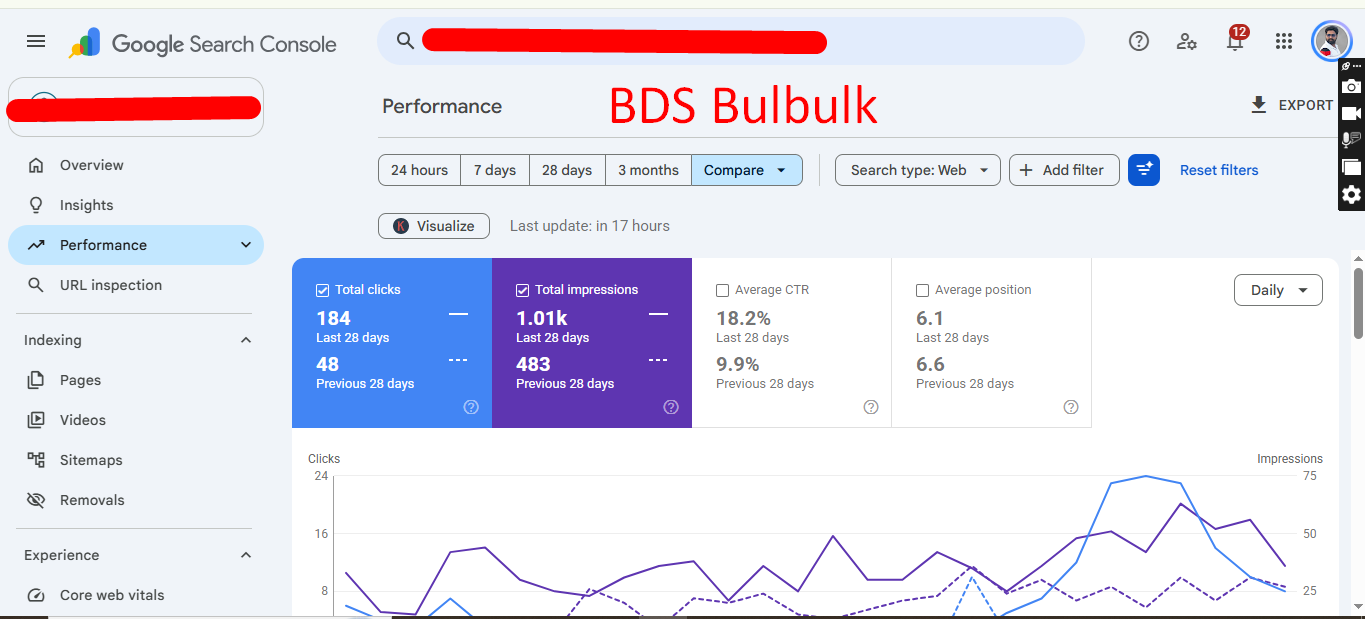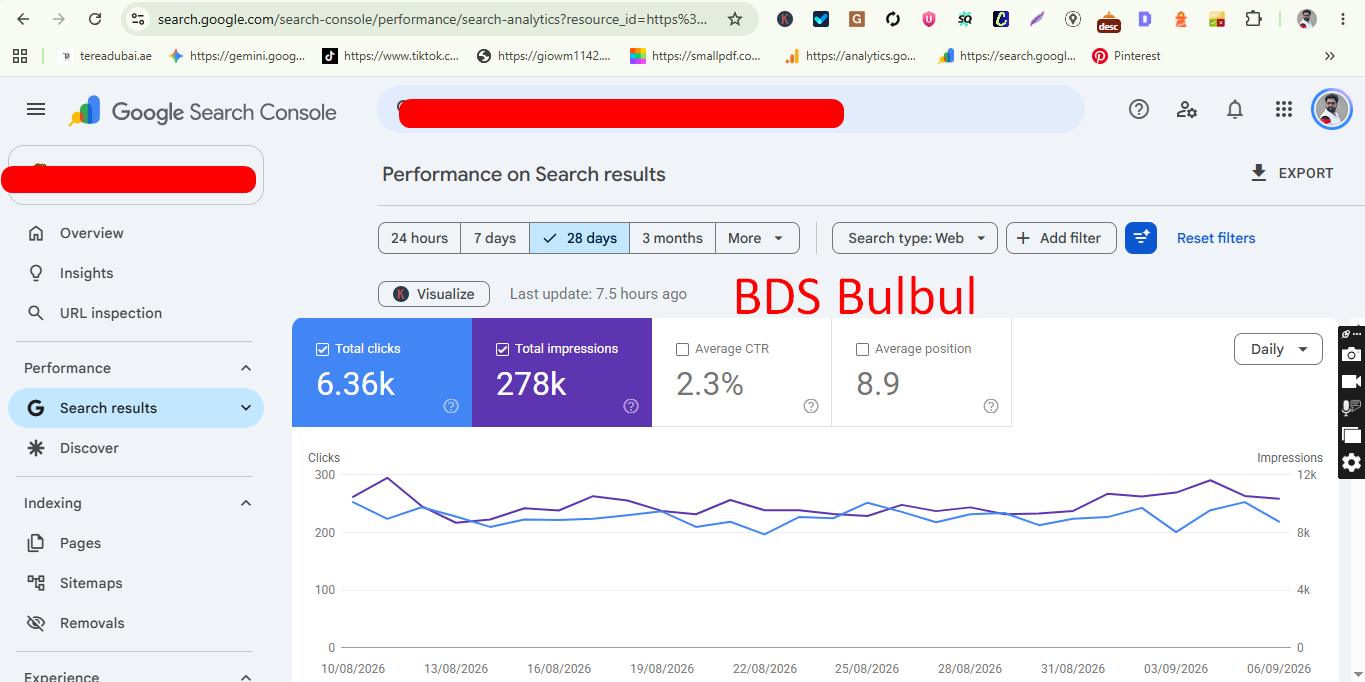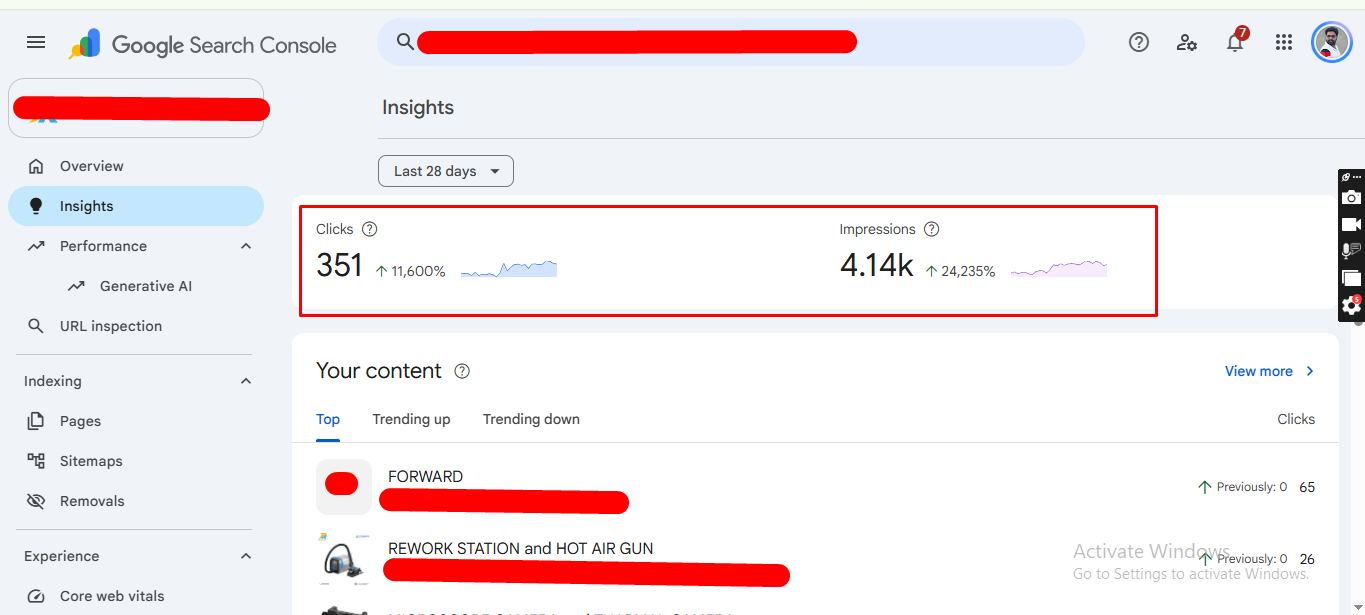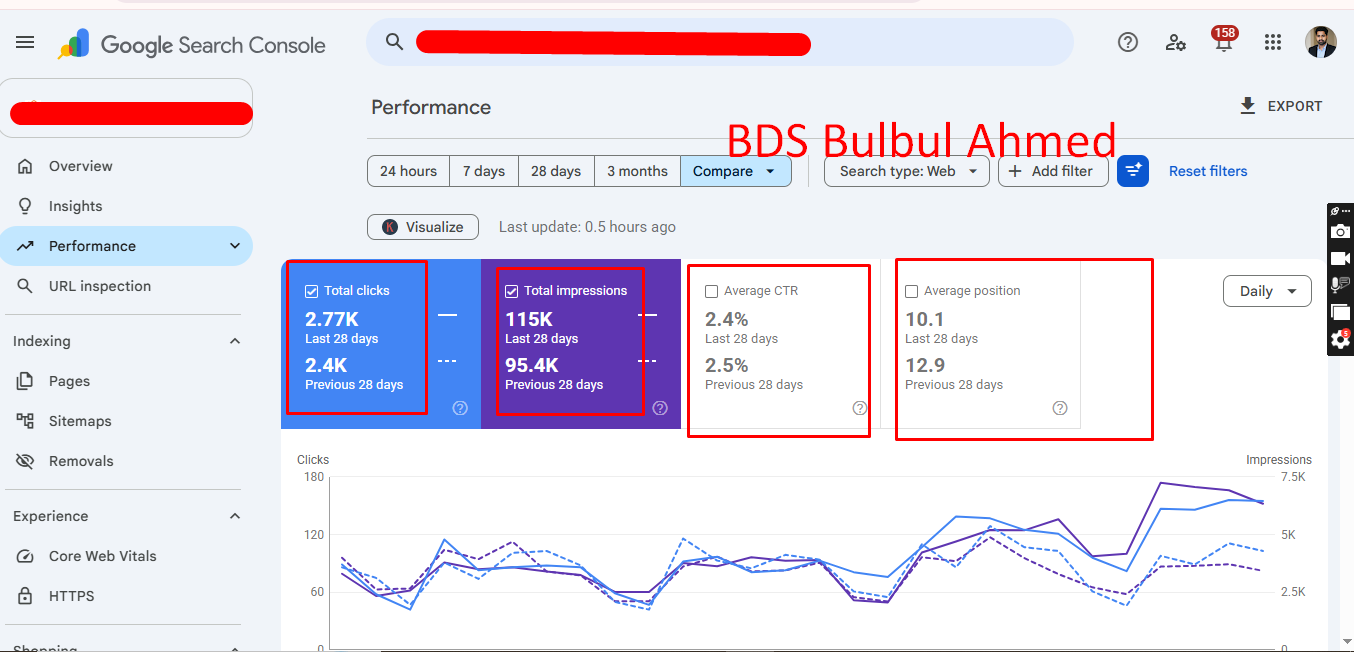
On-page SEO is one of the most important areas of search engine optimization (SEO). This is because it tells you what you can do to a web page to make it more noticeable in search engine results. By optimizing crucial portions of a webpage, you can make your site more relevant, higher in search results, and more interesting for users.
What is on-page SEO?
On-page SEO is the process of introducing changes to the pages of your website so that they show up higher in search results on sites like Google. It means improving the HTML source code and content of the page. Adding information, employing HTML elements, structuring material, and applying keywords are all significant on-page characteristics that make the site more appealing to both users and search engines.
On-page SEO is incredibly important because it has a direct effect on how well your site ranks for the keywords you wish to target. You can directly handle on-page SEO from your website, which makes it one of the most significant and valuable pieces of SEO. In contrast, off-page SEO does not have the same level of importance.
Key Parts of On-Page SEO
1. Title Tags
The title tag is one of the most important parts of a web page. This is the title that people can click on in search engine results. It should be improved so that it has many keywords and is descriptive. Each page should have a different title that makes it clear what it is about. The major keyword should also be in it.
Example: “Best Coffee Beans for 2025: Top Picks and Reviews” might be the title of your article if you want to attract more people to click on it.
2. Meta Descriptions
Meta descriptions don’t directly affect search rankings, but they are incredibly crucial for persuading more people to click on your search results. A good meta description should include the word you want to rank for, be intriguing, and be relevant.
Example: “Find the best coffee beans of 2025. Refer to our expert reviews to find the best coffee beans to brew at home.”
3. H1, H2, and H3 Tags
Header tags help you organize your information so that both people and search engines can understand it. The title of the page should be the H1 tag, and it should contain the main keyword. Subheadings (H2 and H3) should help divide up the material into smaller, easier-to-read portions.
Example:
- H1: “Best Coffee Beans for 2025”
- H2: “Why Good Coffee Beans Are Important”
- H3: “The Best Coffee Beans to Try”
4. URL Structure
A URL structure that is clean, descriptive, and full of keywords makes it easier for users to access your site and helps search engines figure out what your page is about. Don’t use URLs that are long and difficult to understand. Instead, use short, descriptive URLs that include your goal term.
Example: www.example.com/best-coffee-beans-2025
5. Improving Content
Content is one of the most important factors for on-page SEO. The content on your page should be original, well-written, and related to the keyword you want to rank for. It should also be helpful and written for the people who will read it. Keywords should be naturally incorporated into the content, both in the first 100 words and throughout the text.
Example: A piece about coffee beans should discuss the different kinds, their benefits, and reviews. It should also naturally use keywords like “best coffee beans,” “coffee beans for brewing,” and others.
6. Internal Links
Internal links help both visitors and search engines navigate their way around your site. Using internal links, you can also grant page authority to distinct areas of your site. Many of them will rank higher if you link to the proper pages on your site.
Example: You might link to additional articles that are connected to your topic about coffee beans, such as “How to Brew Coffee Like a Pro” or “Best Coffee Grinders for 2025.”
7. Improving Images
Search engines can’t “see” photographs; therefore, it’s important to give them meaningful alt text and file names that have keywords linked to the picture. When you optimize your images correctly, they can help your page rank higher and make it easier for consumers to utilize.
Example: The alt text for a picture might say “best coffee beans for brewing” instead of just “image1.”
8. Mobile-Friendly Design
Because more and more people are utilizing mobile devices, Google now uses mobile-first indexing. This means that your site’s mobile version is rated and indexed first. Make sure your website is responsive and functions nicely on all devices.
9. Page Speed
The speed at which your webpage loads is very important for both SEO and the user’s experience. A website that takes a long time to load can make many users abandon it and harm its rankings. You can use tools like Google’s PageSpeed Insights to uncover things that need to be repaired.
10. User Experience (UX)
There are many parts to user experience, including navigation, design, and how the content is laid out. People will stay engaged with your website, and it will rise in the rankings over time if it is easy to use, looks attractive, and operates effectively.
11. Schema Markup
Adding structured data, or schema markup, to your website makes it easier for search engines to figure out what your page is about. This can improve search results, like rich snippets, which might make more people click on them.
How Does On-Page SEO Affect Rankings?
On-page SEO is incredibly crucial for getting your pages to show up higher in search results since it affects how search engines read and index the content. The more relevant and well-optimized your content is, the better your chances are of ranking for target keywords. Another thing that affects rankings is that on-page SEO makes the user experience better.
To Sum Up
When handling on-page SEO, you need to pay attention to the small things. By improving crucial components of your website, like title tags, meta descriptions, content, and page speed, you can make it much easier to find and utilize in search engine results.
To get the greatest results, you need to regularly check and improve your website’s pages to make sure they follow the best SEO principles.