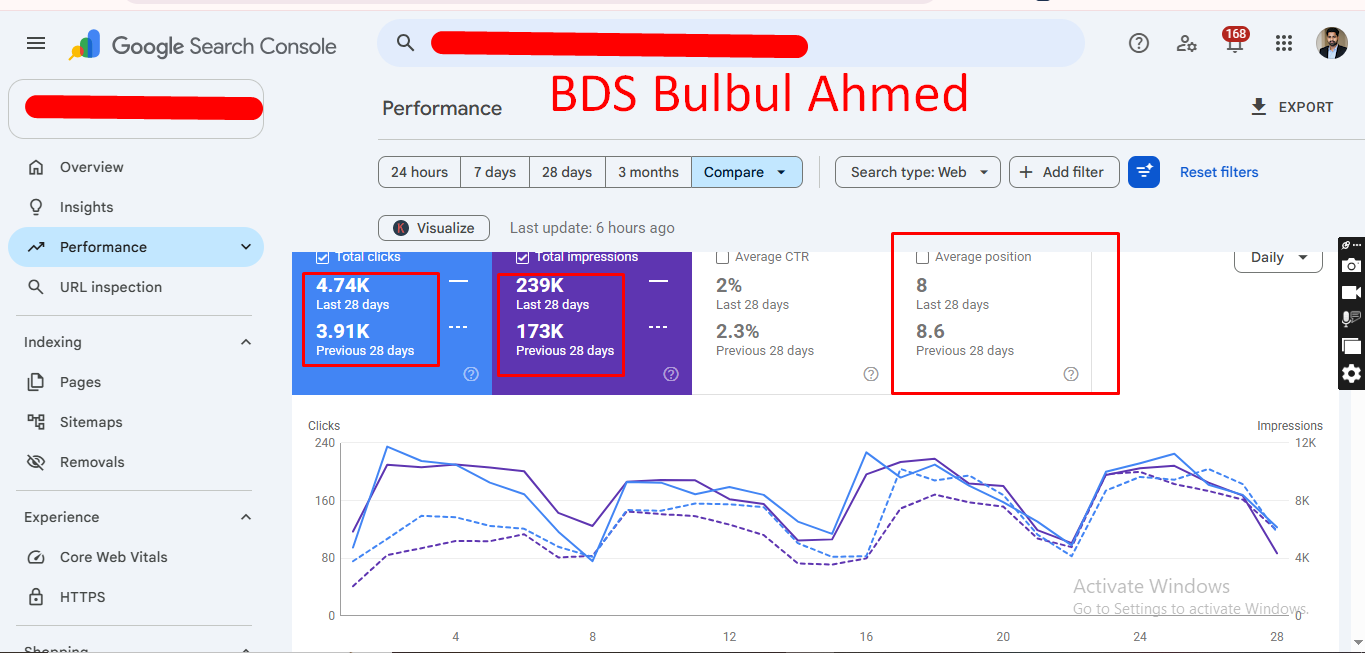
If you’ve been checking your Google Analytics or Search Console data lately, you may have seen some weird traffic swings around August 1-3, 2026 and continuing August 5-6, 2026.
As someone who watches SERP movements on a daily basis for more than 250+ active global projects, I can tell you one thing for sure, Google is performing some huge unconfirmed algorithm testing right now.
Google hasn’t publicly announced a new “Core Update” on their dashboard since the June 2026 Spam Update, however the SEO community and 3rd party volatility tools (SEMrush, Moz, and AWR) are experiencing high search swings across numerous niches.
Here’s my take on what’s happening in the search results this month and the particular procedures I’m doing to safeguard and restore client traffic.
What is really happening right now? (My Note)
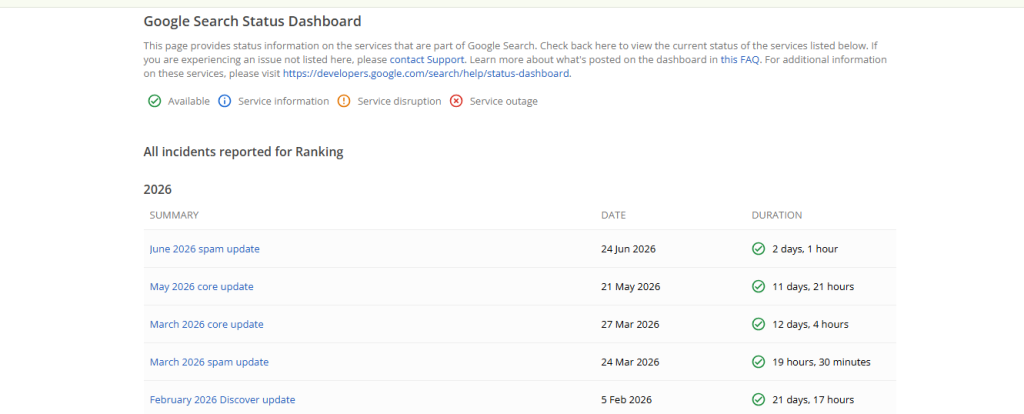
For the past 10 days I’ve been looking at performance data for e-commerce, local business and affiliate blogs. Here are the main patterns I observed:
- Temporary traffic decreases and reversals: Several publishers reported significant traffic drops (some as much as 50-70%) that rebounded in part or totally within 24 to 48 hours. This generally occurs when Google is experimenting with new search interface layouts or re-assessing intent models in real-time.
- Heavy push on EEAT & YouTube signals: Sites with clear brand authority, strong author entities & embedded video/media content are far better at keeping their top 3 places than generic sites.
- Devaluation of Scaled AI Content: Google’s system is becoming quicker at spotting low-value, scaled AI content that is devoid of first-hand human experience or unique facts.
- Feed Turbulence: Google Discover impressions have been more turbulent this month, hurting news and high-volume viral sites.
My 4-Step Framework for Recovery & Protection
The worst thing to do is panic and start making big site-wide adjustments when you see ranking fluctuations. This is the diagnostic process I take my clients thru, step-by-step:
Step 1: First Check for Manual Penalties
Before you assume it’s an algorithm drop, login to Google Search Console and check the Manual Actions and Security Issues pages. If its clear, your drop is solely algorithmic or transient testing.
Step 2: Discover the Exact Pages & Keywords
Don’t just consider overall site traffic. Go to GSC Performance, compare the latest 7 days to previous period, filter by:
- What exact url’s lost clicks?
- When CTR fell (SERP features modified) are the impressions still there?
- Was the reduction in rankings site-wide or in certain content clusters?
Step 3: Add Real “Human Value” to Dropped Pages
If a high-performing page dropped position, ask yourself: Is this page sounding like it was created by a real expert?
- Add real project images, real data or your own case studies.
- Answer search intent directly in the first 150 words.
- Update old data, prices and dates.
Step 4: Tech Health & CWV Audit
Google’s Core Web Vitals (CWV) and mobile indexing are non-negotiable fundamentals. Ensure your site speed, mobile rendering, and internal linking structure all adhere to clear technical standards.
Last Words of BDS Bulbul Ahmed
In 2026, search engine optimisation isn’t about finding algorithm loopholes or writing generic articles. It’s about creating a distinctive brand, showing true domain experience and gaining topical trust.
If your website traffic hurt during August, you’re not alone. Let the search results settle for a few days, undertake a comprehensive technical and content assessment, and make surgical adjustments.
Need help to diagnose your drop in traffic?
At the moment I do a 100% free SEO & search volatility audit for website owners. I’ll personally analyse your Search Console performance data and provide you with a clear recovery plan.
- 🌐 Website: bdsbulbulahmed.com
- 📱 WhatsApp: +8801829349380
- 📄 See My Professional CV: Google Doc
- 📂 Google Drive Access Portfolio & Live Proofs: Google Drive Portfolio