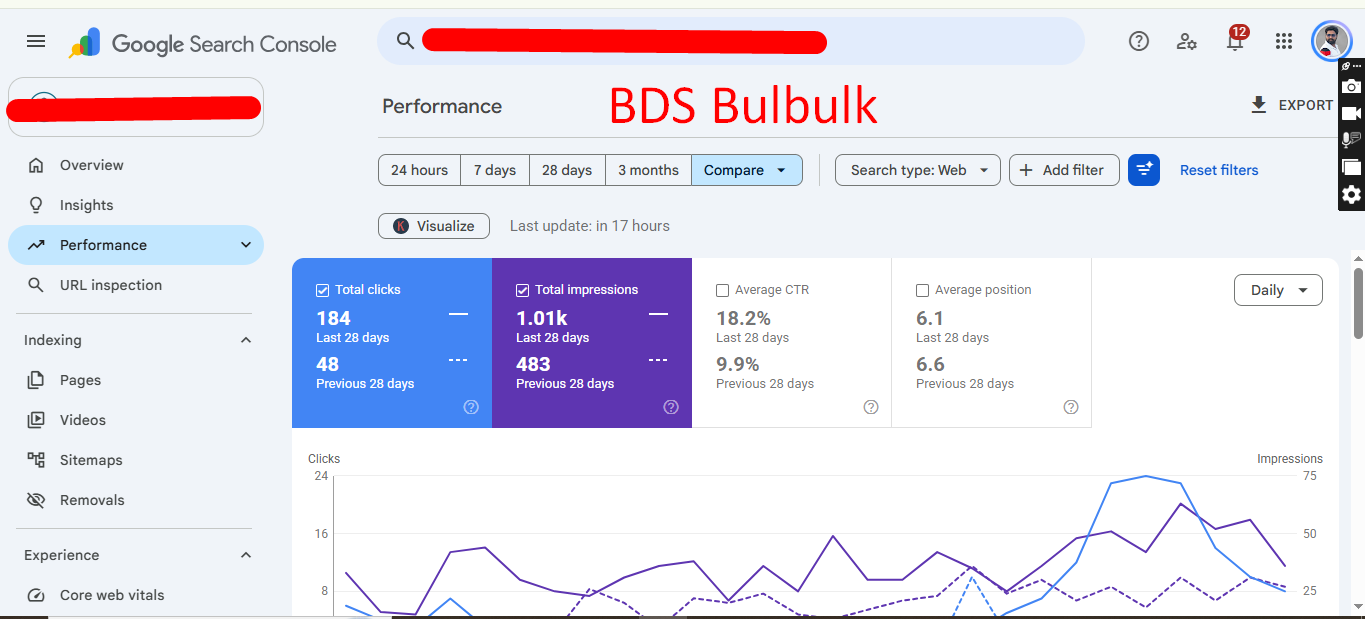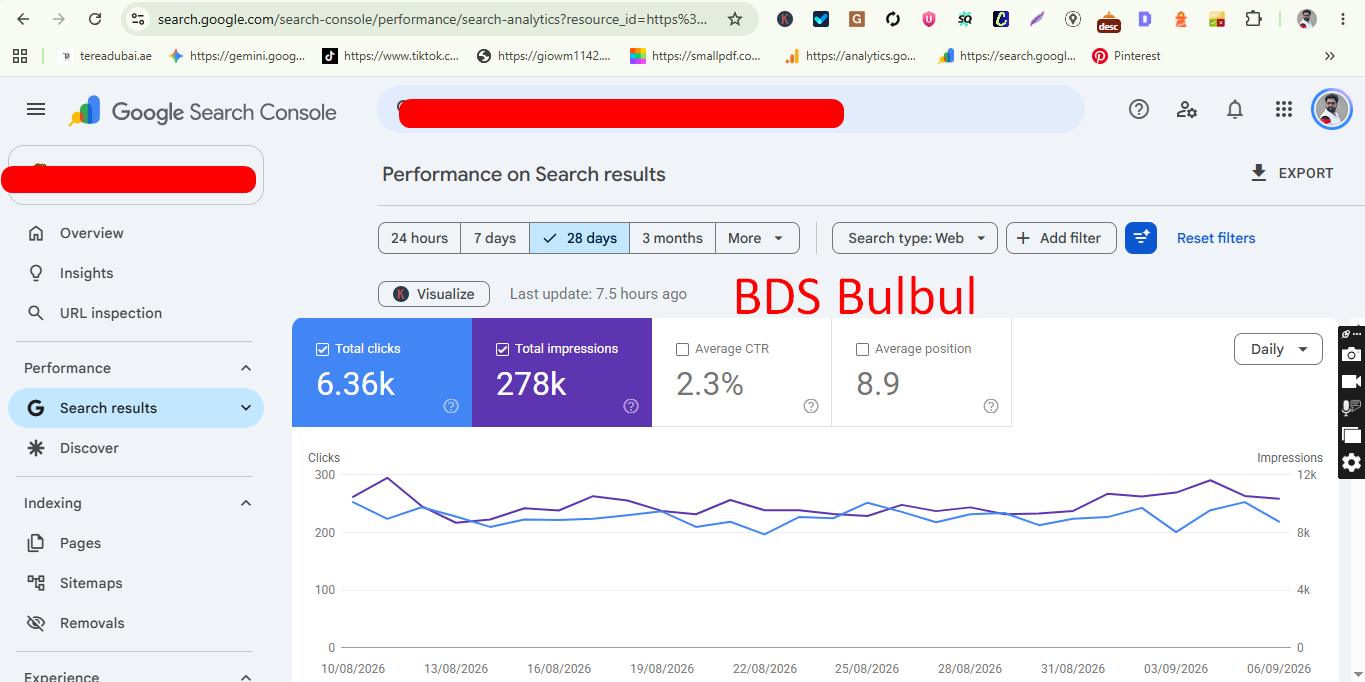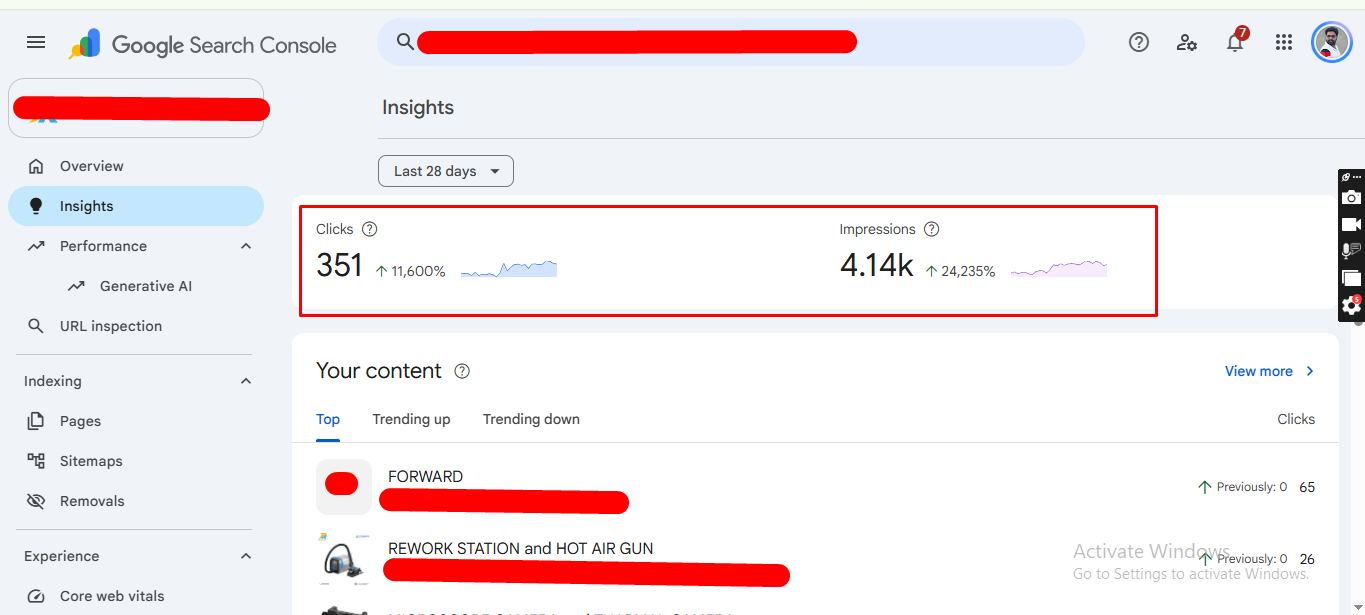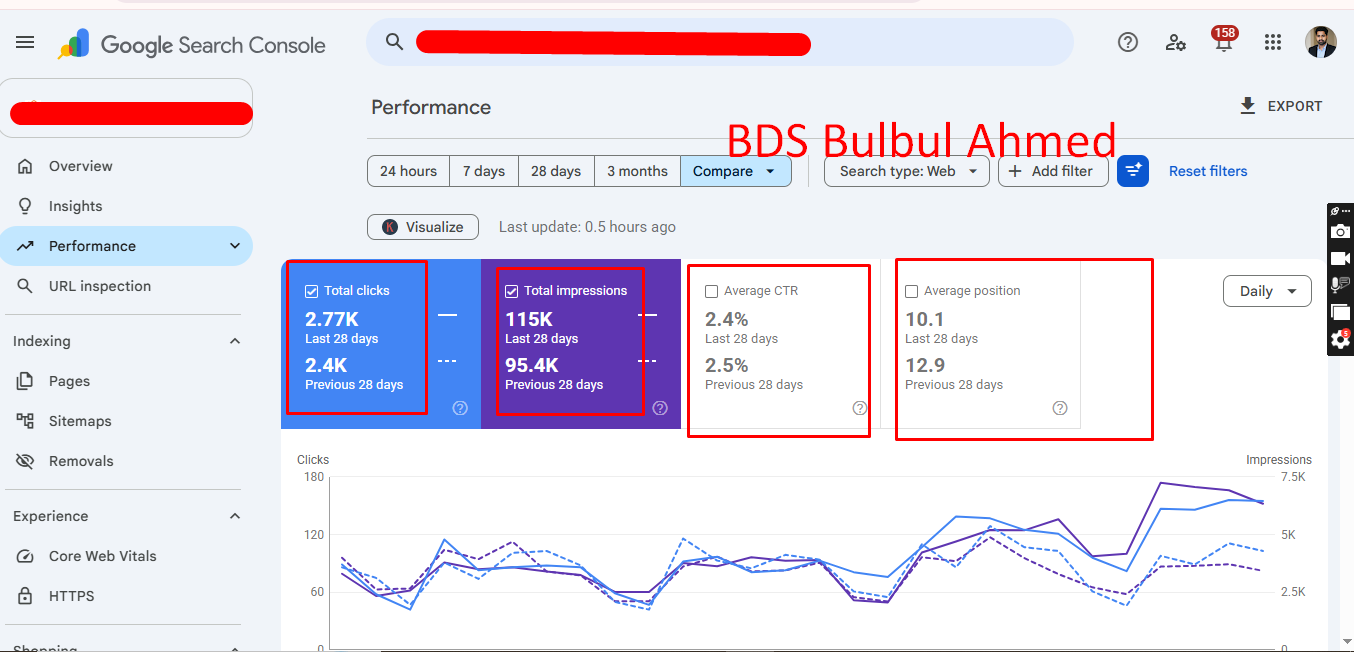
The most crucial thing you can do to succeed in the digital world is to get your website to the top of Google. Using effective Search Engine Optimization (SEO) techniques could bring a lot more people to your site (traffic).
This post will discuss the best and most useful SEO tactics that will help you reach your goals and establish your digital presence.
1. On-Page SEO: Strengthen Your Internal Structure
On-Page SEO is the practice of enhancing the sections of your website directly related to the text and HTML source.
A. Content Quality
- What matters? Google likes material that is high quality and focused on the user.
- Source: Your material needs to be unique, answer the user’s inquiries, and provide them all the information they need. Write something that is very thorough and at least 1000 words long.
B. Title Tag (Main Heading)
- The Title Tag is the main title of your content that visitors see when they look for it in search results.
- Strategy: Start the title with the word that is most important (primary keyword). The headline should be captivating enough to make people want to click on it (50–60 characters long).
C. Meta Description
- The meta description is the short summary that appears below the title in search results.
- Source: Use keywords to encourage people to click. This description is a brief overview of the content (150–160 characters).
D. Heading Tags (H1, H2, H3)
- Heading tags assist you in organizing your writing and make it easier to read.
- Strategy: Use only one H1 element on each page, which is the main headline. Use H2 and H3 tags with keywords that are related to the content to break it up into sections that make sense.
E. Image Optimization
- It is important to improve the photographs so that they are easy to get to and load quickly.
- Note: Make the photo smaller (compress). Use keywords to write Alt Text and a file name that fit.
2. Off-Page SEO: Build External Authority (Credibility)
Off-page SEO is everything you do outside of your website to show Google that your domain is reliable and authoritative.
A. Backlink Building
- What is important? Building backlinks means getting other reliable websites to link to yours. It’s a “vote” for Google.
- Plan: Get high-quality backlinks from sites in your field that have a high Domain Authority (DA). You can do this by writing guest posts or fixing links that don’t work (broken link building).
B. Social Media Engagement
- Commenting on and sharing posts on social media.
- Plan: Post your content on a number of social media networks. This makes it easier for more people to locate your site and read your information.
C. Online Brand Mention
- When people talk about your brand on the internet.
- Source: Use press releases, blogs, and forums to get the word out about your brand.
3. Technical SEO: Make Your Website Work Better
Technical SEO makes it easier for search engine bots to find and index your site efficiently.
A. Website Speed
- The website needs to load quickly for users to have a good experience.
- Source: Use a reputable host, compress pictures, and turn on caching. Use the Google PageSpeed Insights tool to check the speed.
B. Mobile-Friendliness
- A lot of visitors who come to your site now do so via their phones.
- Strategy: Make your website responsive so that it looks good on all kinds of devices. Mobile-first indexing is now used by Google.
C. Site Structure and UX
- The site’s design and User Experience (UX) should make it easy for people to find their way around.
- Strategy: Create a clear Sitemap and use internal linking to make it simple for both people and bots to access all of your sites.
D. SSL Encryption (HTTPS)
- When it comes to ranking, Google cares a lot about security.
- Strategy: You need to purchase an SSL certificate for your website to make sure that the URL shows
httpsinstead ofhttp.
4. Researching Keywords: Find the Right Audience
Your content won’t reach the proper individuals if you don’t use the right keywords.
- Source: Look for terms that get a lot of searches but not a lot of other people using them (low competition).
- Strategy: Use long-tail keywords (specific phrases) that are related to your business or content.
- Tools: Use tools like SEMrush, Ahrefs, and Google Keyword Planner.
5. Local SEO: Focus on Customers Who Are Nearby
Local businesses that wish to gain customers in their area need to utilize Local SEO.
- Strategy 1: Make a Google My Business (GMB) account and make it better.
- Strategy 2: Get input from clients and reply to it in a professional way.
- Strategy 3: Your NAP (Name, Address, and Phone Number) should be the same on all of your web profiles (citations).
Last Bit of Advice
SEO is a long-term process. Don’t expect results right soon. Follow the advice above often, review your work, and keep up with changes to Google’s algorithms. Your website will quickly reach the first page of Google if you continue to work hard.