What is SEO (Search Engine Optimization)?
Search Engine Optimization (SEO) is the process of enhancing your website or webpage to rank higher on search engine results pages (SERPs) such as Google, Bing, and Yahoo. The main objective of SEO is to increase the website’s visibility and drive more organic (unpaid) traffic to the site by making it more relevant for search engines and user-friendly for visitors.
In simple terms, SEO makes your website easier to find, which can help bring in more visitors and keep them engaged longer.
Key Components of SEO
1) On-Page SEO
On-page SEO involves optimizing the elements within your website to improve its search engine ranking. This includes:
- Keyword Research: Identifying the keywords your target audience is searching for.
- Content Optimization: Creating high-quality content that answers users’ queries while fitting the keywords in a natural way.
- Meta Tags: Using appropriate meta titles, meta descriptions, and header tags (H1, H2) to help search engines understand your website better.
- Internal Linking: Adding links to other pages on your website, helping users easily navigate and improving site structure.
2) Off-Page SEO
Off-page SEO refers to activities that occur outside your website to improve its authority and reputation. The most important component of off-page SEO is
- Backlinks: Links from other trusted websites signal to search engines that your site is credible and relevant.
Re-link Highlight: Backlinko on Backlinks
3) Technical SEO
Technical SEO is the optimization of the website’s backend and structure to ensure it is easy for search engines to crawl, index, and render the site. Important aspects of technical SEO include:
- Site Speed: Ensuring fast loading times for better user experience and higher rankings.
- Mobile Friendliness: Making sure your site is mobile-friendly since the majority of users access websites via mobile devices.
- Schema Markup: Adding structured data to help search engines better understand your site content.
- Google’s Mobile-First Indexing: Google uses the mobile version of your website for indexing and ranking, making mobile optimization critical for SEO.
4) Local SEO
Local SEO involves optimizing your website for local search results. This is particularly important for small businesses that want to attract customers in specific geographic locations. Key aspects of local SEO include:
- Google My Business: Creating and optimizing your Google My Business profile to ensure your business appears in local search results.
- Local Citations: Ensuring your business is listed in local online directories.
5) Content Marketing
Creating high-quality, relevant, and engaging content is one of the most important aspects of SEO. When you create content that answers your visitors’ questions and provides valuable information, search engines will reward your site with higher rankings.
Why is SEO Important?
- Better Visibility: SEO helps you rank higher on search engines, which increases the visibility of your site to potential customers.
- Organic Traffic: SEO generates free, organic traffic, which is more sustainable in the long term compared to paid advertising.
- Credibility & Trust: Websites that appear at the top of search engine results are generally seen as more trustworthy by users.
- Cost-Effective: SEO is a long-term strategy that can consistently deliver results without requiring continuous investment in paid advertising.
The Complete Process of SEO
- Keyword Research: Find the right keywords that your target audience is using to search for products or services.
- Create Optimized Content: Write keyword-rich, informative, and high-quality content that adds value to your audience.
- Build Backlinks: Secure high-quality backlinks from authoritative websites to boost your site’s credibility.
- Technical SEO: Improve site speed, ensure mobile optimization, and optimize site structure for better user experience and search engine crawlability.
- Local SEO Strategy: Develop a local SEO strategy if you’re targeting a specific geographic area.
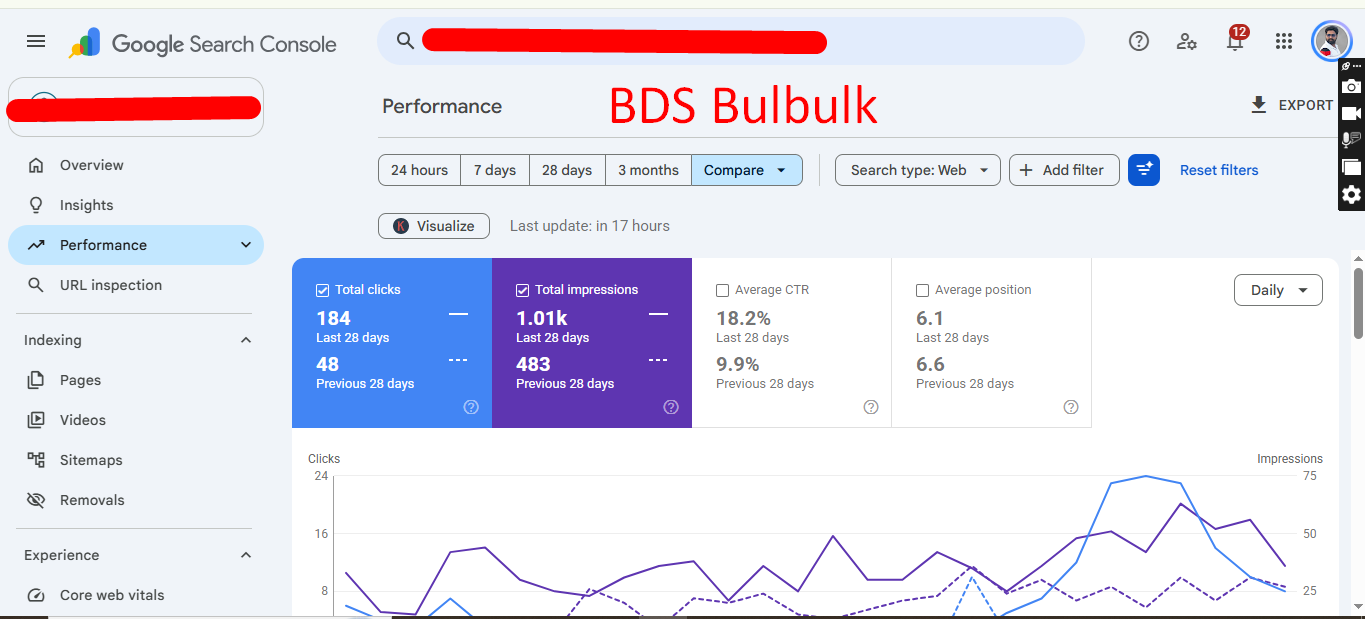
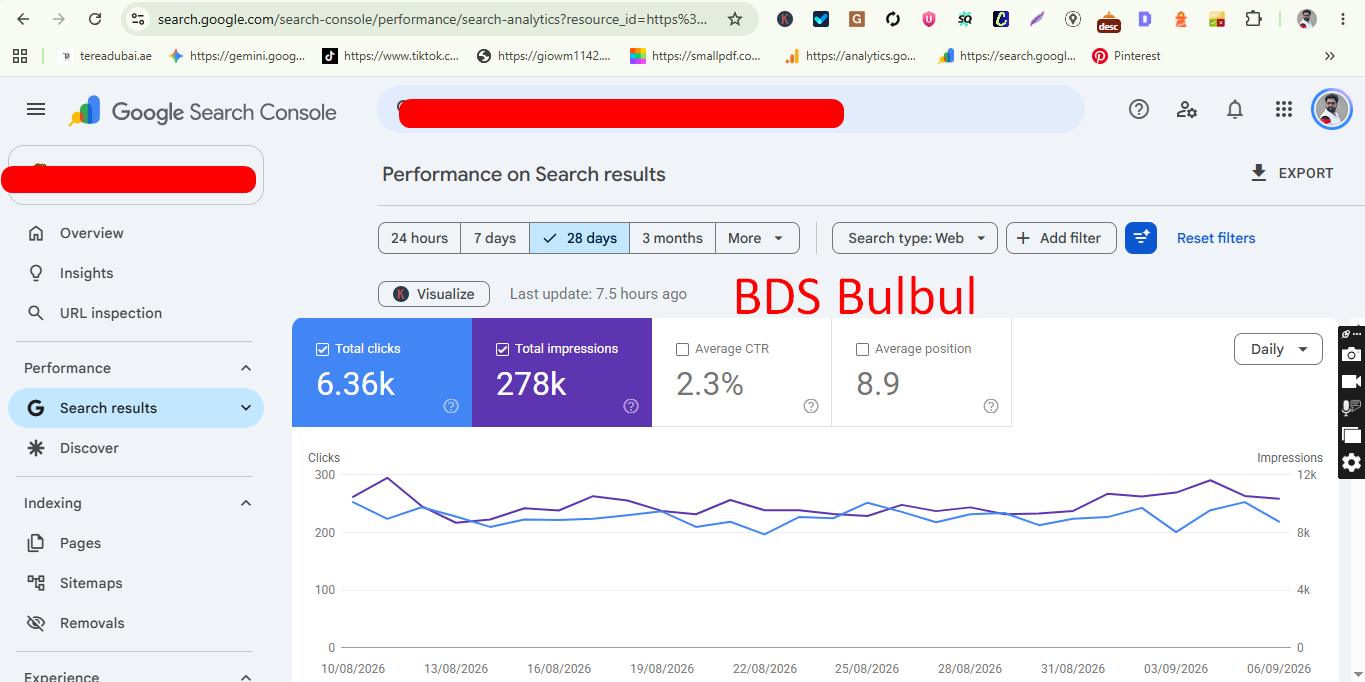
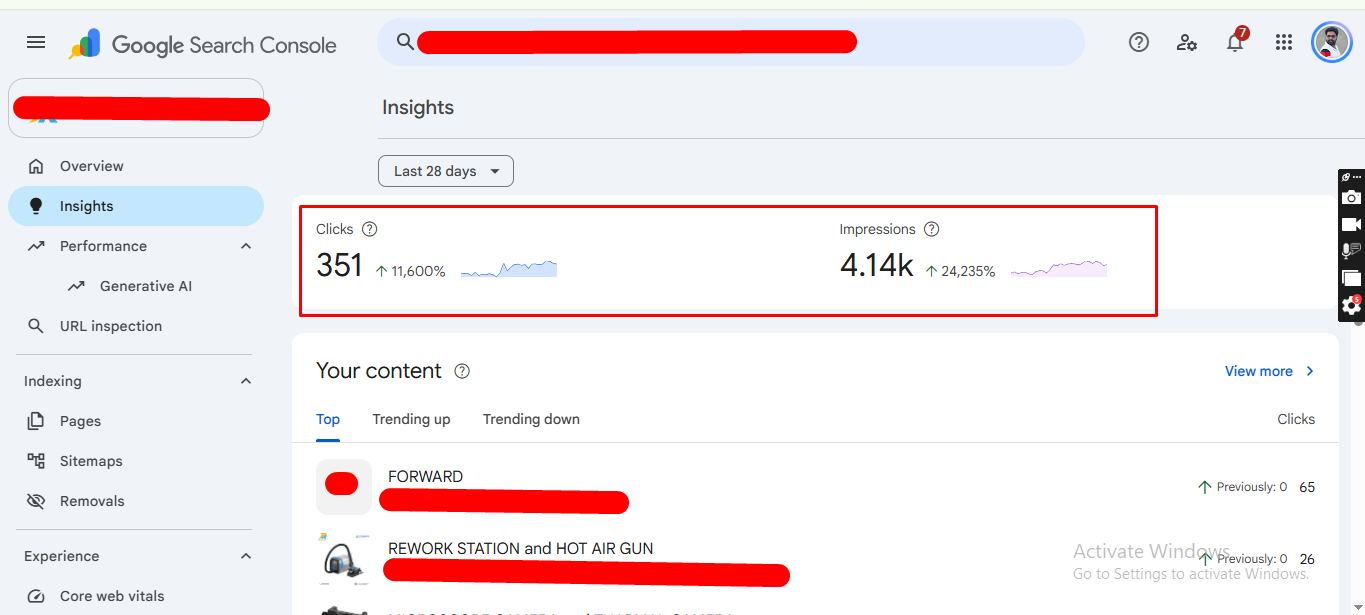
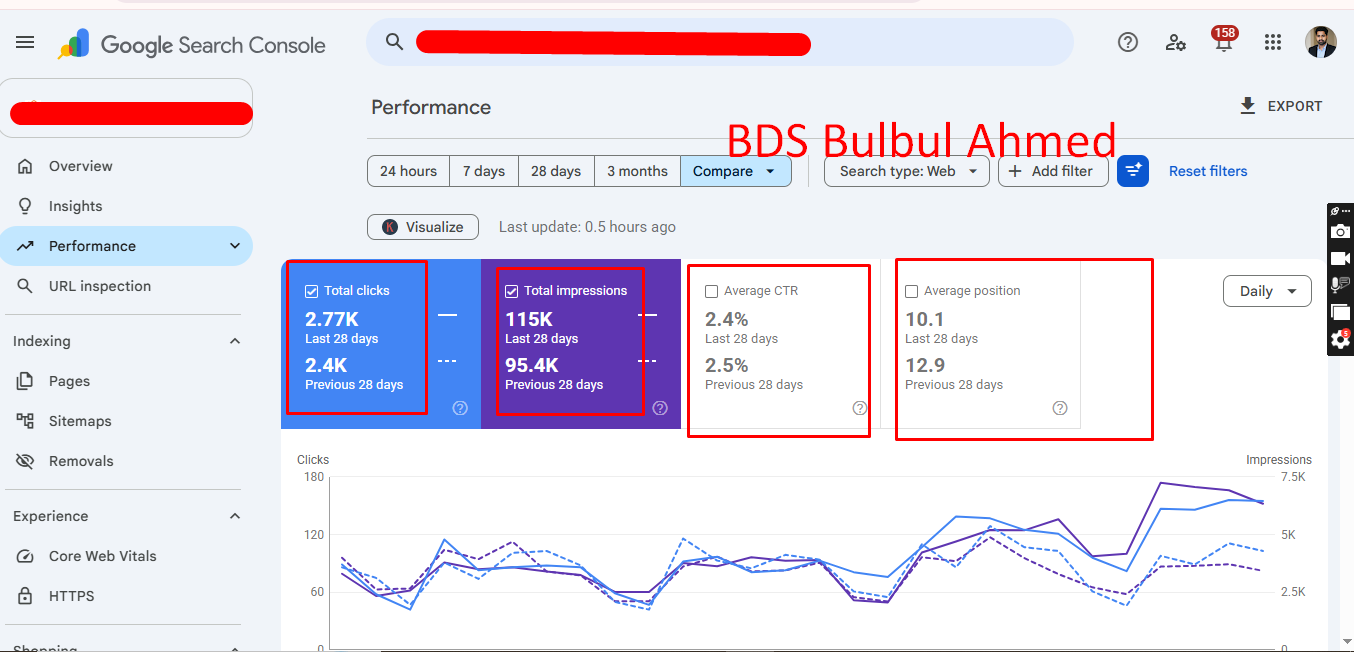
- Monitoring: Track your site’s performance in search engines and make adjustments as needed to improve rankings.
Summary
SEO is a powerful method for increasing the visibility of your website and driving more organic traffic. By improving your site’s ranking, SEO helps bring in more customers and grow your business. SEO is a continuous process, and it can be extremely beneficial for your business in the long run.