The world of search engine optimization (SEO) is no longer limited to keyword stuffing or simple text writing. Google now tries to understand, through its Knowledge Graph and E-E-A-T guidelines, how trustworthy the person or brand behind the content is.
Especially for YMYL (Your Money or Your Life) content such as health, finance, or legal topics, a small mistake or fabricated information can destroy the entire website’s ranking.
If you want to permanently maintain your website’s organic traffic and search visibility, implement the following 5 advanced trust signals and entity engineering strategies to catch the attention of Google’s quality raters.
1. Advanced Trust Signals: Entity Engineering
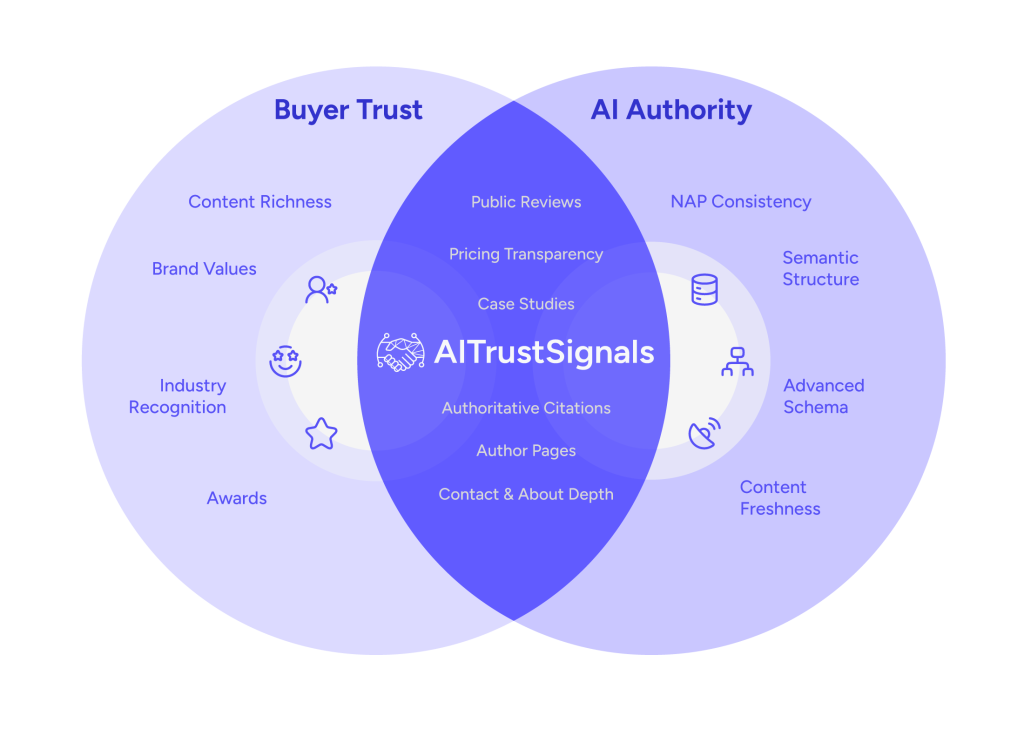
Google now doesn’t just read keywords or text; it understands the “Entity” or real existence of a person or brand through the ‘Knowledge Graph’. You need to establish your site’s author and organization as a strong entity in Google’s eyes.
Structured Data / Schema Markup
- Use Advanced Author and Organization Schema for your site’s author and organization.
- Add the author’s LinkedIn, Wikipedia, or Twitter profile using the sameAs property.
- This helps Google easily understand that the author is a real, reputable, and existing person.
Digital Footprint
- Your author’s name should be in Google’s Knowledge Graph.
- If he has written content in any other major journal, medical site, news portal, or authoritative forum, then Google can easily track his authority and consider the content of your site as trusted.
2. Content Accuracy & Objectivity
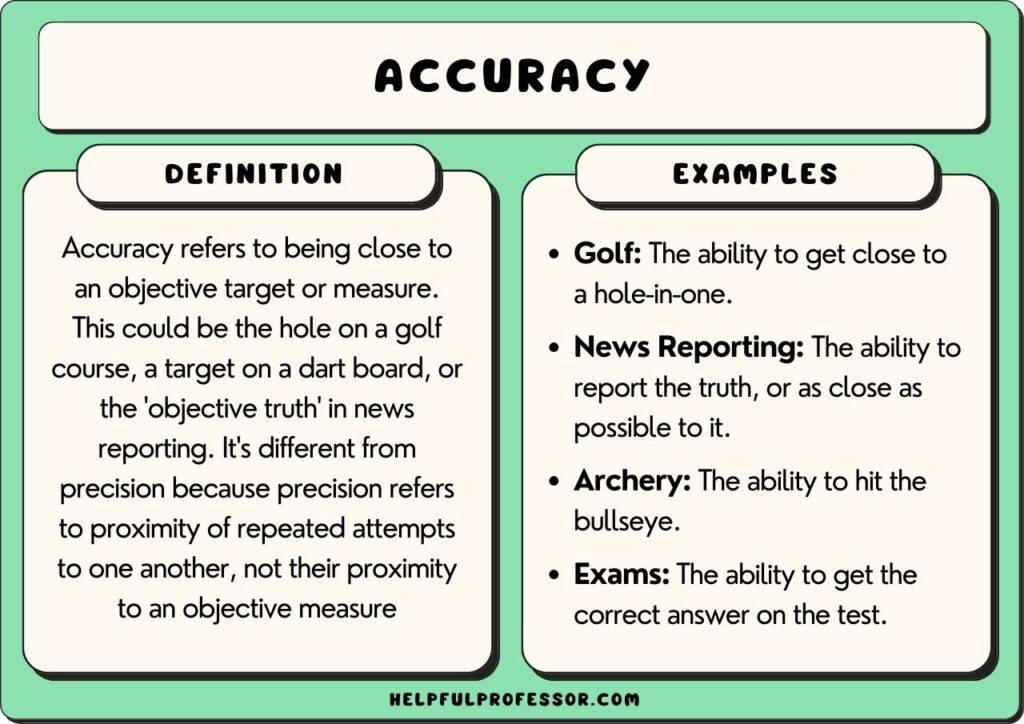
For YMYL content, Google’s quality rater guidelines are for maintaining the integrity, accuracy, and impartiality of the information. A slight information gap can cause great harm to users.
Scientific or Legal Consensus
- No controversial or fabricated information can be provided on any subject.
- In the case of medical science, write information in accordance with the official guidelines of the World Health Organization (WHO) or the FDA.
- In the case of financial or legal matters, follow the Central Bank.
Up-to-date frequency (Freshness Matters)
- Review YMYL content every year or every 6 months.
- If any information or law changes, update it immediately and clearly mention “Last Reviewed On: [Date]” above the article.
- This sends a freshness signal to Google’s crawler.
3. Editorial Independence and Transparency
It must be completely clear to Google who is behind your site, how the content is produced, and what its commercial purpose is.
Editorial Policy Page
- Create an institutional “Editorial Policy” page on your website.
- It clearly states how the information is collected, who reviews it, and how the accuracy of the content is ensured.
Ad Disclosure
- If your site has any affiliate links or sponsored products, clearly disclose them at the beginning of the article (Above the fold).
- Google wants to see that you are not misleading users with false information for any financial benefit.
4. Reviewed By Model – Institutional Approval
If the content writer is not a certified expert himself (e.g., a general SEO writer writing about health or finance), the content must be verified by a real certified expert.
Double Layer Verification
- Add “Medically Reviewed by [Doctor’s Name]” or “Fact-Checked by [Financial Analyst’s Name]” at the beginning of the content along with the writer’s name.
- This increases the user’s trust, as well as that of the search bot, many times over.
Referencing Technique
- Instead of just giving a simple hyperlink, add a proper citation or source list of institutional research papers at the end of the article.
- Use trusted databases like PubMed, ResearchGate, or Google Scholar.
5. Brand Reputation and Third-Party Sentiment (Off-Page Trust)
Google doesn’t just look at what’s going on inside your site; it also tracks what’s being said about your brand on the internet outside of your site. This is called Off-Page E-E-A-T.
Review Platform Optimization
- It’s important to have positive ratings and reviews for your brand on Trustpilot, Google Business Profile (GBP), or the Better Business Bureau (BBB).
- Respond to negative reviews quickly and professionally.
Unlinked Brand Mentions
- If your brand name is mentioned positively on major forums (e.g., Reddit, Quora) or reputable news sites, Google’s algorithm will also take that as a signal of your site’s “Authoritativeness”.
- This tracking happens even if there are no direct backlinks.
Professional Consulting & Content Audit
If your website’s content architecture and E-E-A-T strategy are not optimized in line with Google’s modern guidelines, any core algorithm update could put your site’s traffic at significant risk. It is important to seek professional advice for perfect entity engineering and advanced SEO solutions for your website.
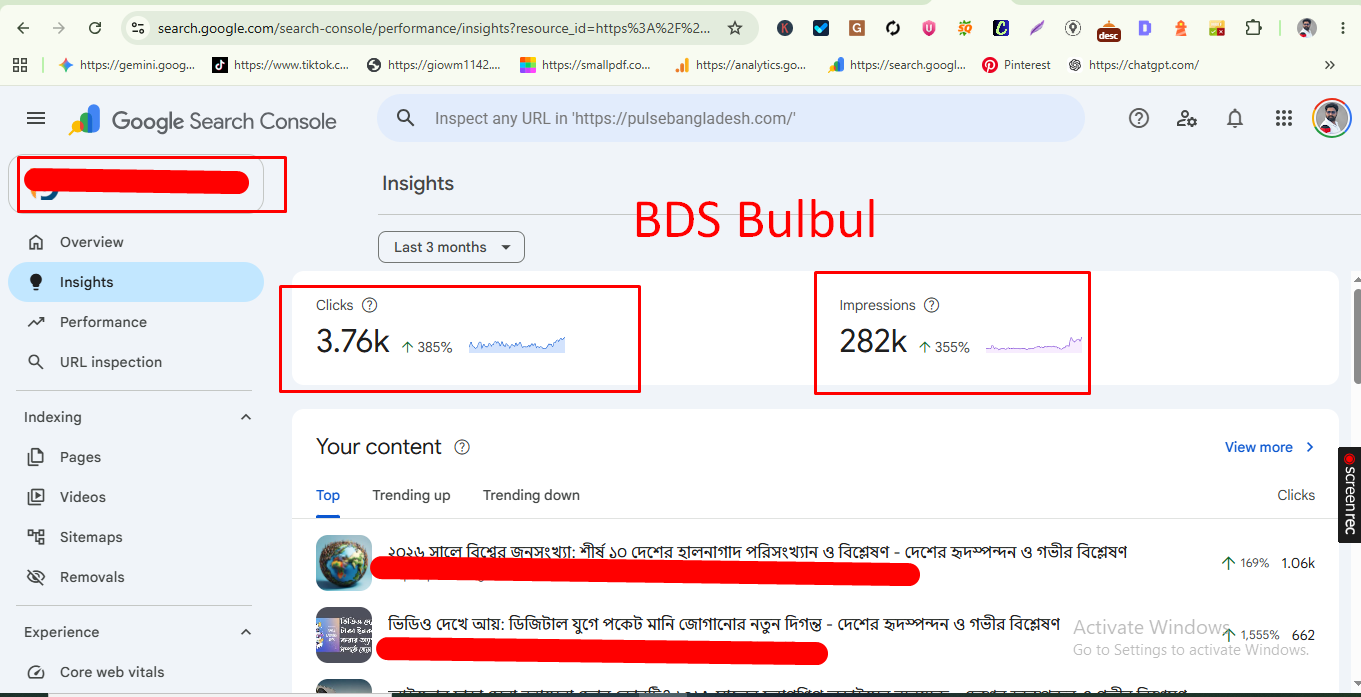
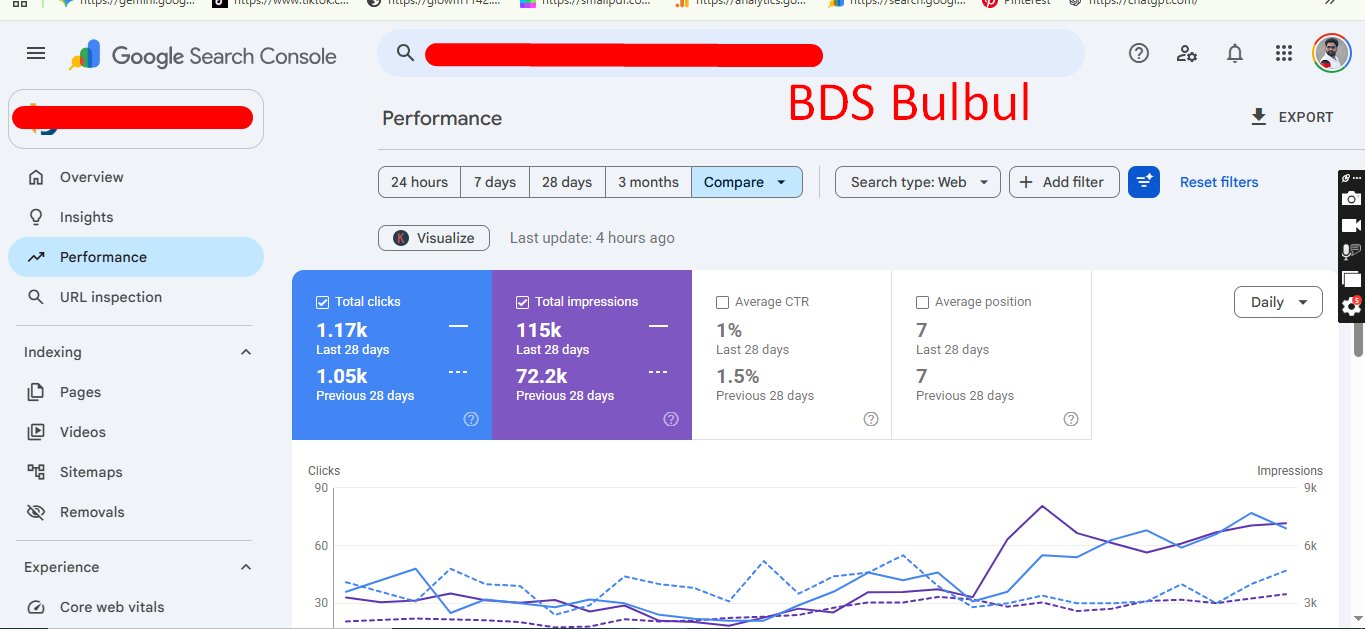
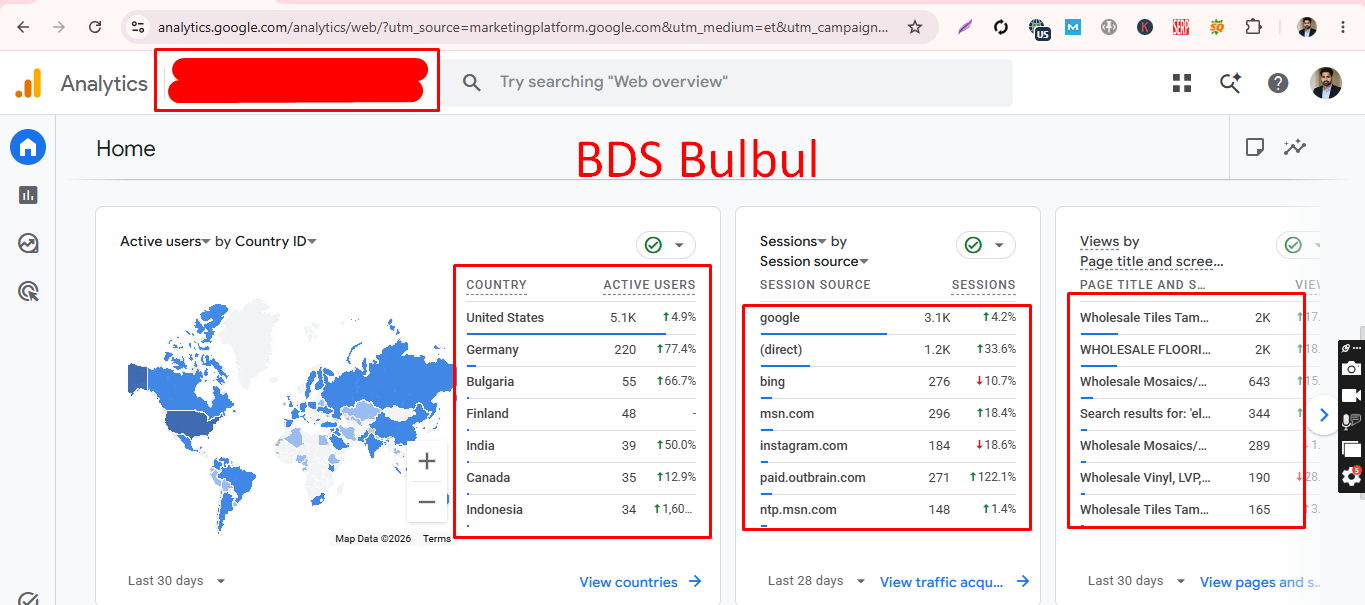
With over 6 years of experience and a track record of completing 250+ global projects, our SEO team is working to boost your site’s authority. Visit BDS Bulbul Ahmed, the official platform of Senior SEO Consultant and Content Strategist, today to make your website content 100% trusted in Google’s eyes and rank on the number one page of search engines.
Take your digital brand to a new level with proper entity mapping and proper schema implementation.