Has your website suddenly dropped in traffic after the latest Google update? Seeing your organic traffic and keyword rankings plummet overnight can be incredibly stressful for any business owner or digital marketer. However, a drop after a major core update doesn’t mean your site is permanently penalized—it simply means Google’s algorithm has recalibrated how it evaluates content value, relevance, and user experience.
Instead of making panic-driven changes that could further damage your SEO, it is crucial to take a structured, analytical approach. Here are 5 practical recovery steps to diagnose the issue, align with Google’s latest quality standards, and successfully rebuild your traffic.
Step 1: Isolate the Drop (Algorithm Update vs. Technical Bug)
Before changing a single line of text, you need to confirm that the traffic drop was actually caused by the core update and not a self-inflicted technical glitch.
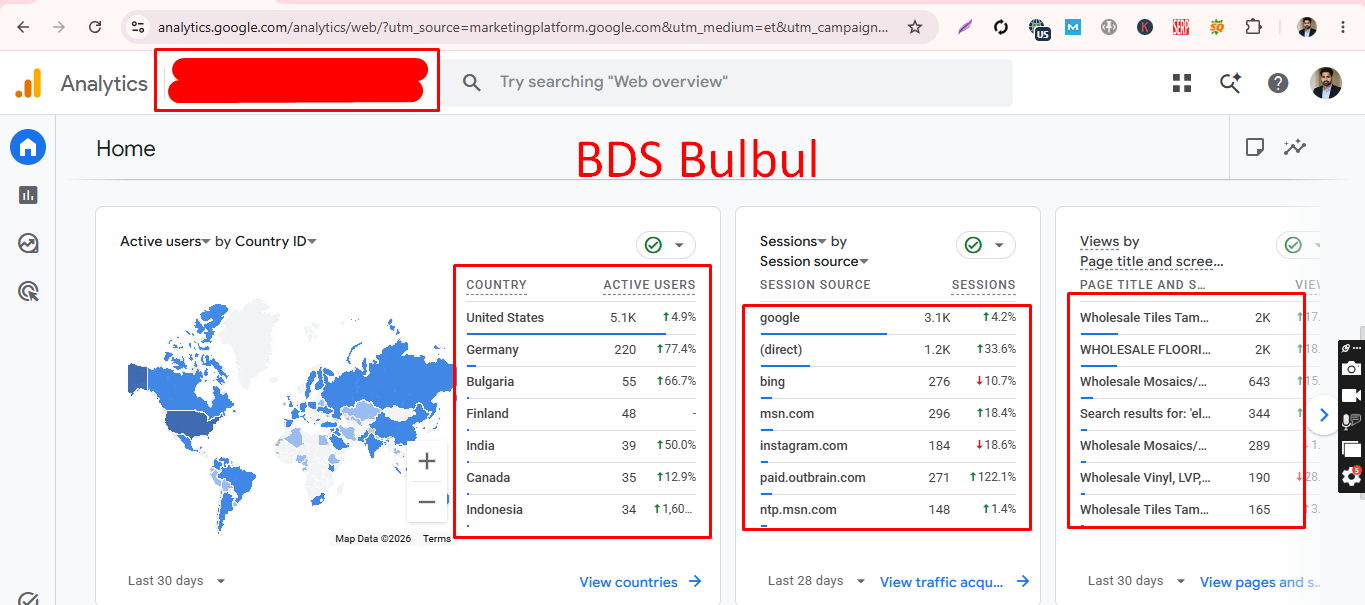
- Check the Timeline: Compare the exact date your traffic started declining in Google Analytics 4 (GA4) and Google Search Console (GSC) with the official rollout date of the Google update. If they align perfectly, it’s an algorithmic adjustment.
- Inspect Technical Health: Ensure the drop wasn’t caused by accidental
noindextags, a brokenrobots.txtfile, a sudden spike in 404 errors, or hosting downtime. If your technical foundation is solid, you can safely focus on content and quality recovery. - Step 2: Analyze Affected Pages and Search Intent Shifts
Google core updates rarely destroy a website’s traffic uniformly across every single page. Usually, a few high-traffic URLs bear the brunt of the hit.
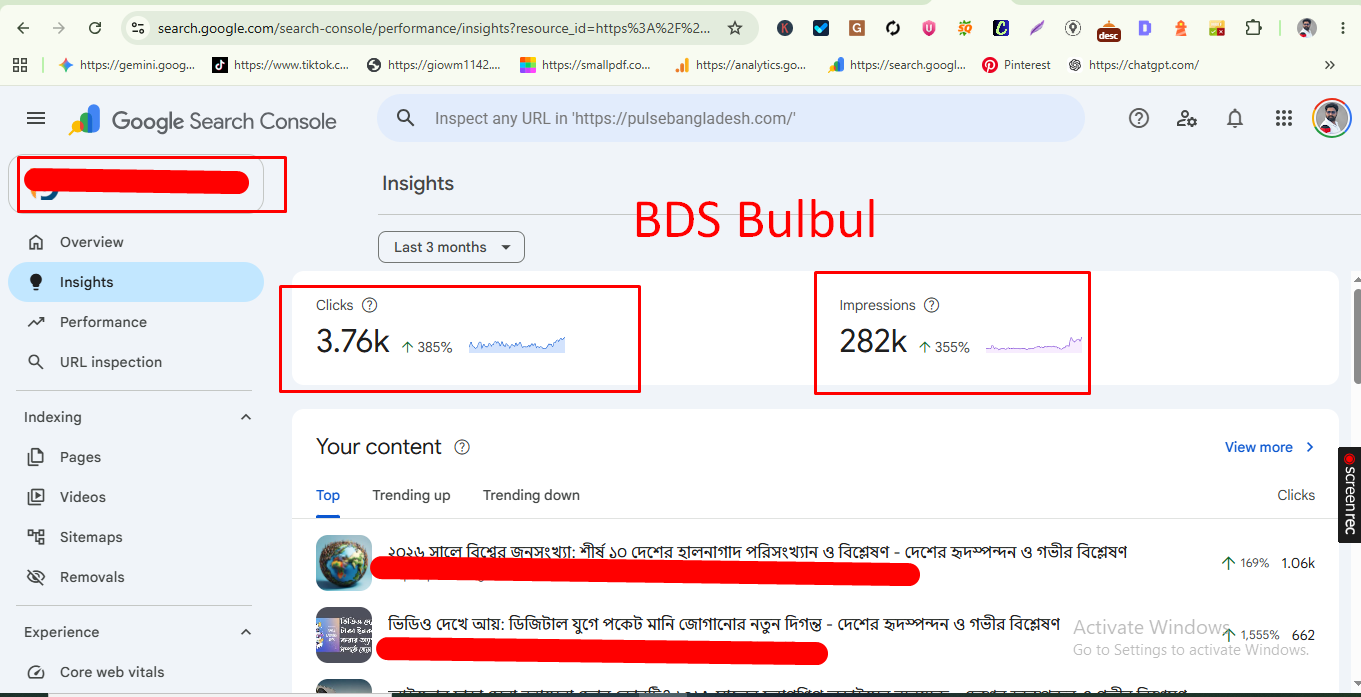
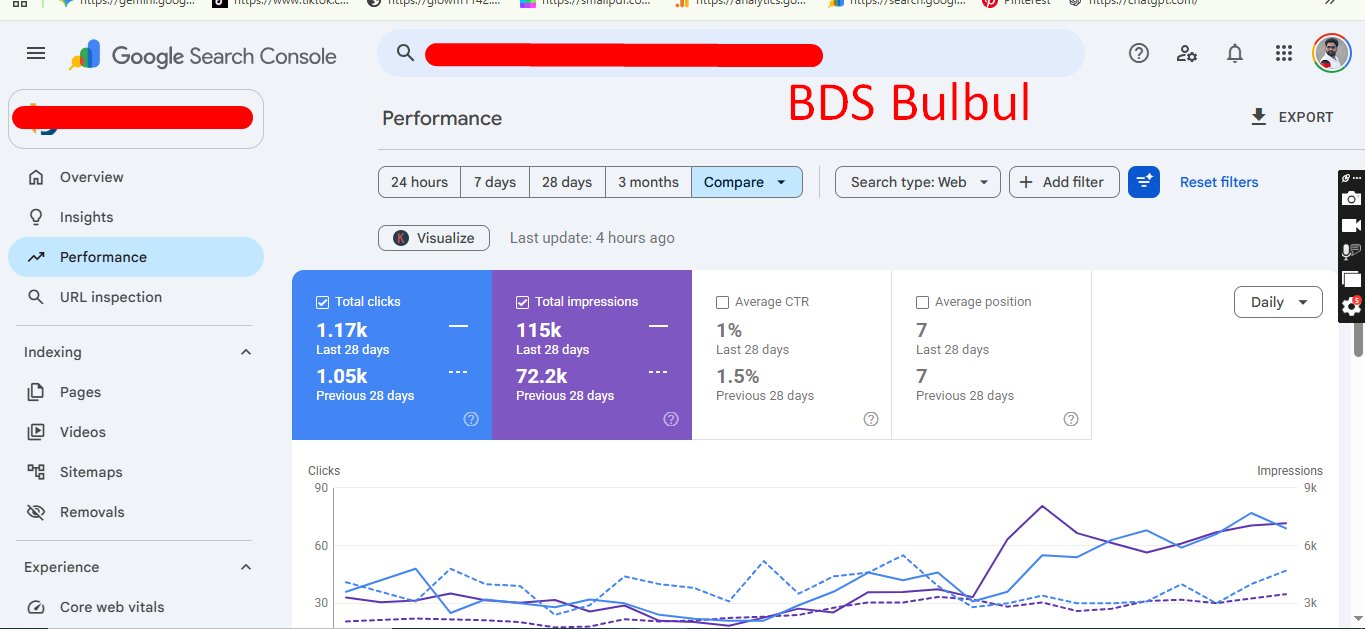
- Identify “Loser” Pages: Go to Google Search Console, filter the data to compare the last 28 days against the previous period, and sort by the biggest drop in clicks and impressions.
- Analyze Intent Shifts: Search for the target keywords of your dropped pages and look at the competitors who replaced you. Did Google change what it considers the “best” answer? For instance, if Google is now ranking comprehensive informational guides instead of short, transactional pages, you must update your content layout to match this new Search Intent.
Step 3: Conduct an Audacious Audit of Content Quality (E-E-A-T)
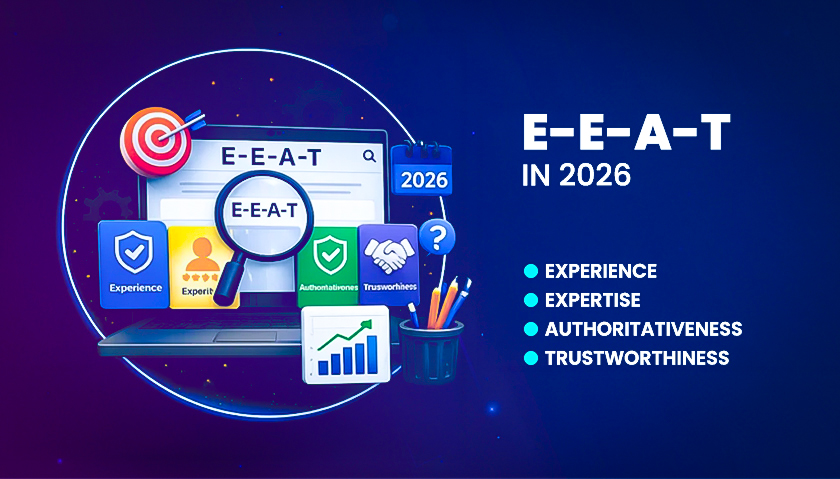
Modern Google updates are heavily focused on filtering out low-effort, unhelpful content. To recover, you must evaluate your site through the lens of E-E-A-T (Experience, Expertise, Authoritativeness, and Trustworthiness).
- Eliminate Thin or AI-Generated Fluff: If your site relies on generic, automated AI content that lacks unique value, it will struggle to rank. Rewrite these sections by adding personal experience, original case studies, or exclusive data.
- Enhance On-Page Trust Signals: Ensure your content has clear author bios explaining why the writer is qualified to speak on the topic. Add trustworthy references, update outdated statistics, and fix broken outgoing links to show Google your site is a reliable resource.
Step 4: Fix Your Link Profile and Audit User Experience (UX)
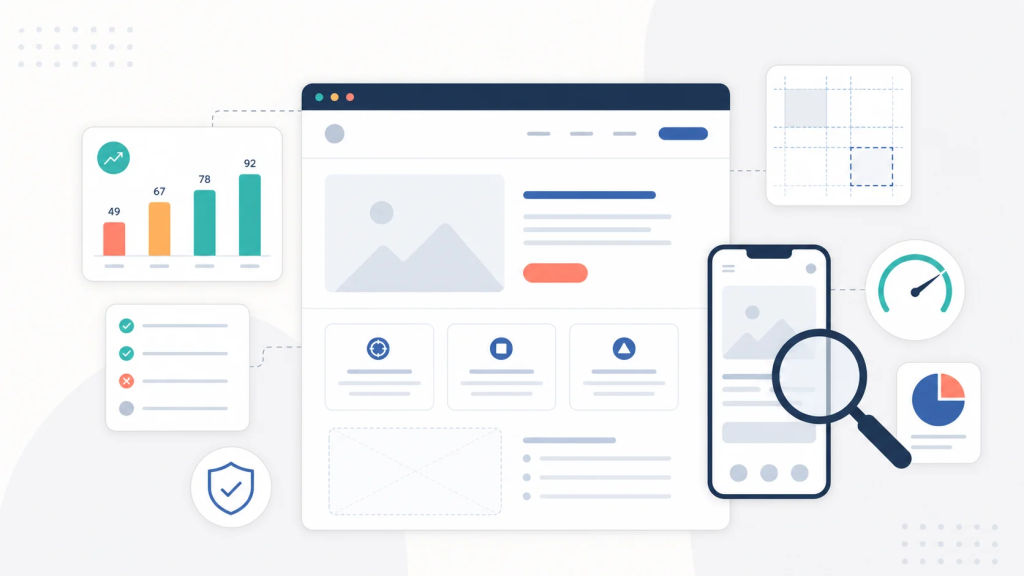
Sometimes a traffic drop is tied to the devaluation of low-quality backlinks or a poor browsing experience that drives users away.
- Devalue Spammy Backlinks: If your site was hit by a spam or helpful content update, review your backlink profile using tools like Ahrefs or Semrush. If you notice a sudden influx of toxic, automated forum links or cheap PBN backlinks, focus on building high-authority, natural editorial links rather than relying on automated link schemes.
- Optimize Core Web Vitals: Google prioritizes pages that load quickly and are easy to navigate on mobile devices. Check your Core Web Vitals report in GSC. Fix issues related to slow page loading times, intrusive pop-ups, or Cumulative Layout Shift (CLS) that hurt mobile user experience.
Summary Matrix: Diagnosing and Fixing Post-Update Traffic Drops
Diagnosing post-update traffic drops requires isolating the exact timeline, affected pages, and query types. Use Google Search Console (GSC) to filter by impressions lost and position changes, ensuring you isolate algorithmic penalties from shifted user behaviors or technical indexation issues.
This diagnostic matrix will help you identify the root cause of the traffic decline and apply targeted fixes.
| Traffic Drop Scenario | Primary Cause | Diagnostic Signs | Actionable Fixes |
|---|---|---|---|
| Drop aligns with a known Google Core or Spam Update | Content quality re-evaluation / Intent mismatch | Site-wide or cluster-specific drop; GSC queries show a loss in average position. | Audit underperforming pages against top-ranking competitors. Add original data, author credentials, and deeper analysis to strengthen E-E-A-T. Focus on answering explicit search intents. |
| Traffic drops but average rank position is stable | Zero-Click Searches / AI Overviews | High ranking positions (1-3) but plummeting Click-Through Rate (CTR). | Pivot to bottom-funnel or highly specific queries. Optimize your content to be cited in AI summaries (e.g., structured data, concise definitions). Add value-adds that require a user to click through (e.g., proprietary tools, templates). |
| Gradual, long-term decline | Content decay / Competitor outranking you | Slow but steady decline over several weeks or months. Target keywords are steadily moving to page 2+. | Refresh outdated statistics and paragraphs. Build high-quality backlinks. Audit competitor content to find and fill content gaps. |
| Sudden drop across multiple pages/keywords without an update | Technical SEO / Indexing Issues | The drop is sharp, sits at 0 clicks, and affects the entire site equally. | Check the Google Search Status Dashboard for crawling bugs. Audit your robots.txt, canonicals, and sitemap. Use technical crawlers (e.g., Screaming Frog) to find broken redirects or 404s. |
| Drop primarily on specific device types (Mobile) | Core Web Vitals / Mobile Layout shift | Traffic remains stable on desktop but drops drastically on mobile search. | Run the site through Google PageSpeed Insights. Improve mobile loading speed, fix layout shifts, and ensure mobile responsiveness. |
My Personal Analysis: As a conscious digital strategist analyst tracking macro-trends, I see a clear parallel between algorithmic tightening and broader institutional shifts toward transparency. Google’s core updates are no longer just about keywords and links; they are about weeding out the noise and rewarding genuine authority. In an era where automated content has flooded the internet, a traffic drop is often a wake-up call to transition your website from a generic content publisher into a distinct, authoritative brand. Treat this recovery process not as a quick fix to manipulate search engines, but as a long-term investment in building authentic value that users—and consequently algorithms—can trust.
Author: BDS Bulbul Ahmed
For more advanced SEO strategies and data-driven insights, visit: bdsbulbulahmed.com