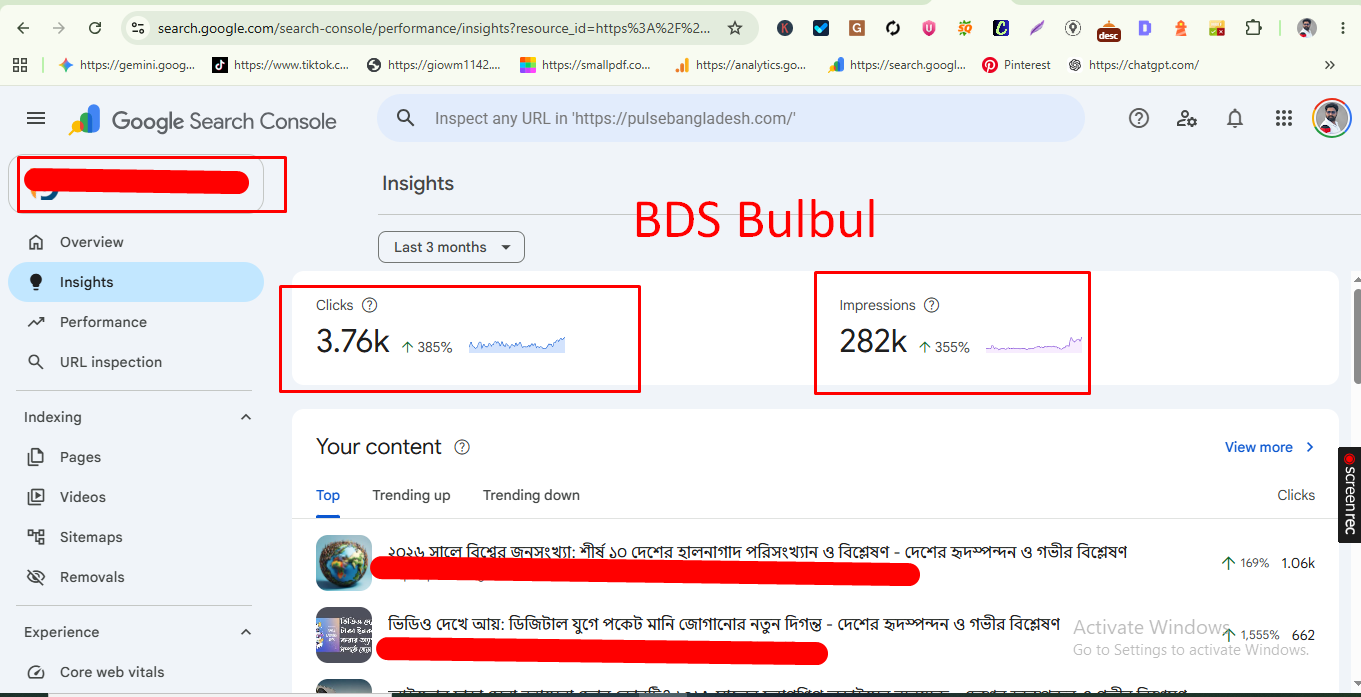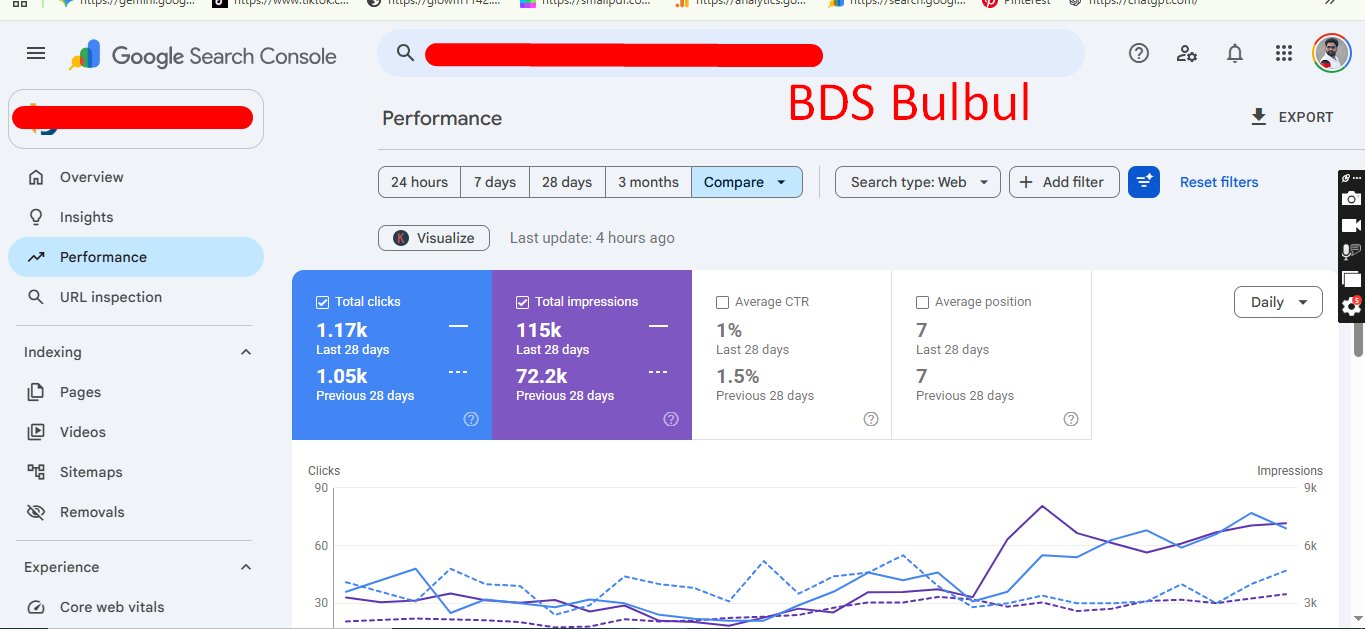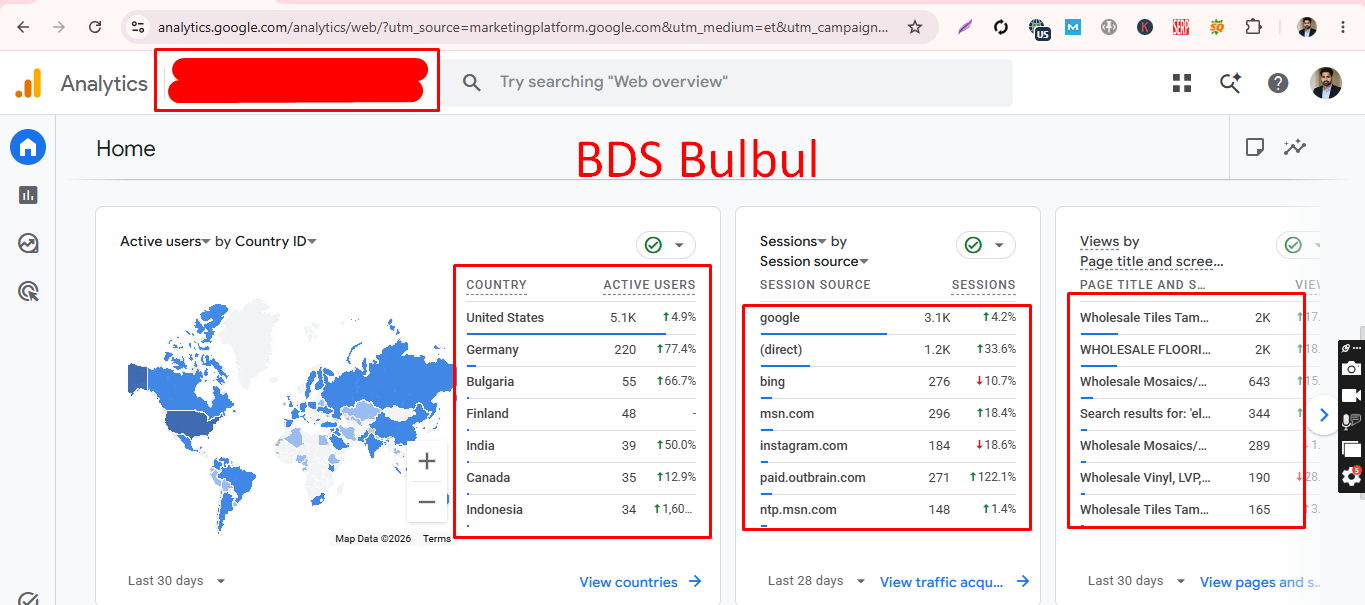
A Google Core Update is a significant, broad modification to Google’s search algorithms and systems designed to improve the overall quality, relevance, and helpfulness of search results. As a direct result, your website’s organic traffic may temporarily decrease, increase, or experience severe fluctuations (SERP volatility).
In the modern SEO ecosystem, these core updates are completely integrated with Google’s Helpful Content System. This means Google heavily prioritizes content created primarily for humans rather than search engines, devaluing thin content written solely to manipulate search rankings.
How Core Updates Affect Your Website’s Organic Traffic
A core update usually takes 2 to 4 weeks to fully roll out. During this period, your website’s organic traffic can be impacted in three distinct ways:
- 1. Traffic and Ranking Drops (Devaluation): If your top-performing pages experience a sudden drop in visibility, it does not mean your site has a technical penalty. It simply means a competitor has created a more comprehensive, up-to-date, and helpful piece of content that Google now deems more deserving of that spot.
- 2. Traffic and Ranking Surges (Reward): If you have been consistently publishing high-quality, user-first content without resorting to manipulative spam techniques, Google will reward your site. Consequently, you will notice a substantial boost in your organic traffic and impressions.
- 3. High SERP Volatility: During the rollout period, your keyword positions may fluctuate wildly from morning to night. It is critical to monitor the data but avoid making panic-driven changes or deleting content until the update fully settles.
Securing Your Traffic with Google’s E-E-A-T Framework
To maintain and improve your rankings during any core update, your content strategy must align perfectly with Google’s E-E-A-T guidelines:
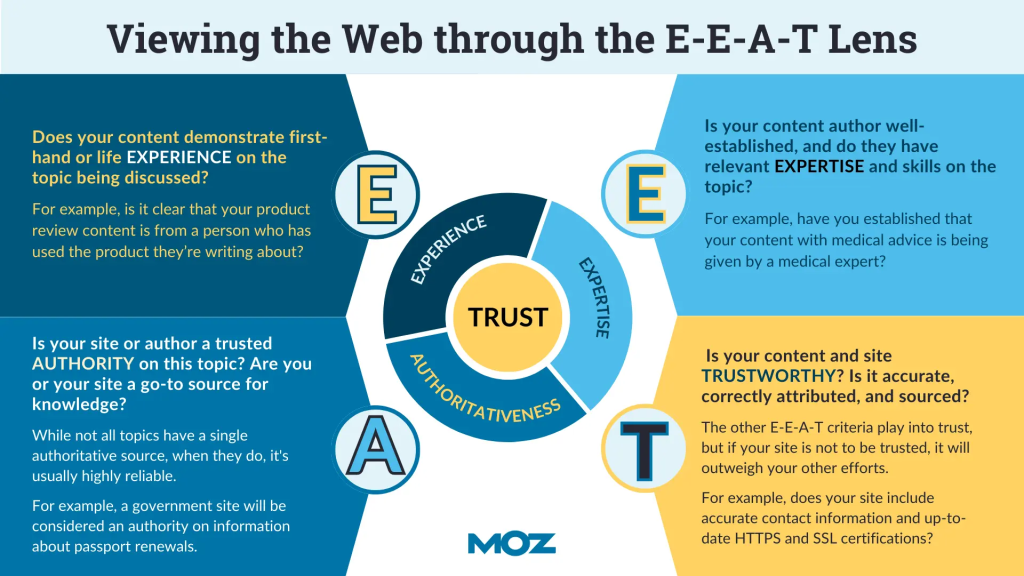
E-E-A-T Pillar Actionable Content Implementation Strategy Experience Demonstrate first-hand or real-world experience with the topic. For example, include original images or case studies that prove you have practical knowledge.Expertise: Ensure your content reflects deep insights and professional research. Avoid surface-level summaries and provide actionable, well-rounded information.Authoritativeness: Build a strong reputation as a go-to source within your specific niche. When other reputable websites reference or link back to your content naturally, your authority grows.Trustworthiness: This is the most critical component. Maintain transparency by citing reliable sources, providing verifiable facts, and showcasing clear author bios, contact details, and accessible site policies.
What to Do If Your Organic Traffic Drops After an Update
If a core update negatively impacts your organic traffic, avoid looking for temporary “loopholes” or quick technical fixes. Instead, follow this structured recovery approach:
- Conduct a Content Audit: Identify the exact pages that lost the most traffic. Critically evaluate whether the content genuinely solves a human reader’s problem or if it was structurally engineered purely for search bots.
- Analyze the Winning Competitors: Look at the websites that captured the top 3 positions for your lost keywords. Identify the unique value, data charts, expert perspectives, or superior layout they offer, and update your content to fill that gap.
- Enhance User Experience (UX) and Site Speed: Even the best content fails if a page takes over 5 seconds to load or is covered in intrusive ad layouts. Optimize your Core Web Vitals and ensure flawless mobile responsiveness to signal to Google that you value your users.