SEO in Digital Marketing: Unlocking the Power of Search Engines
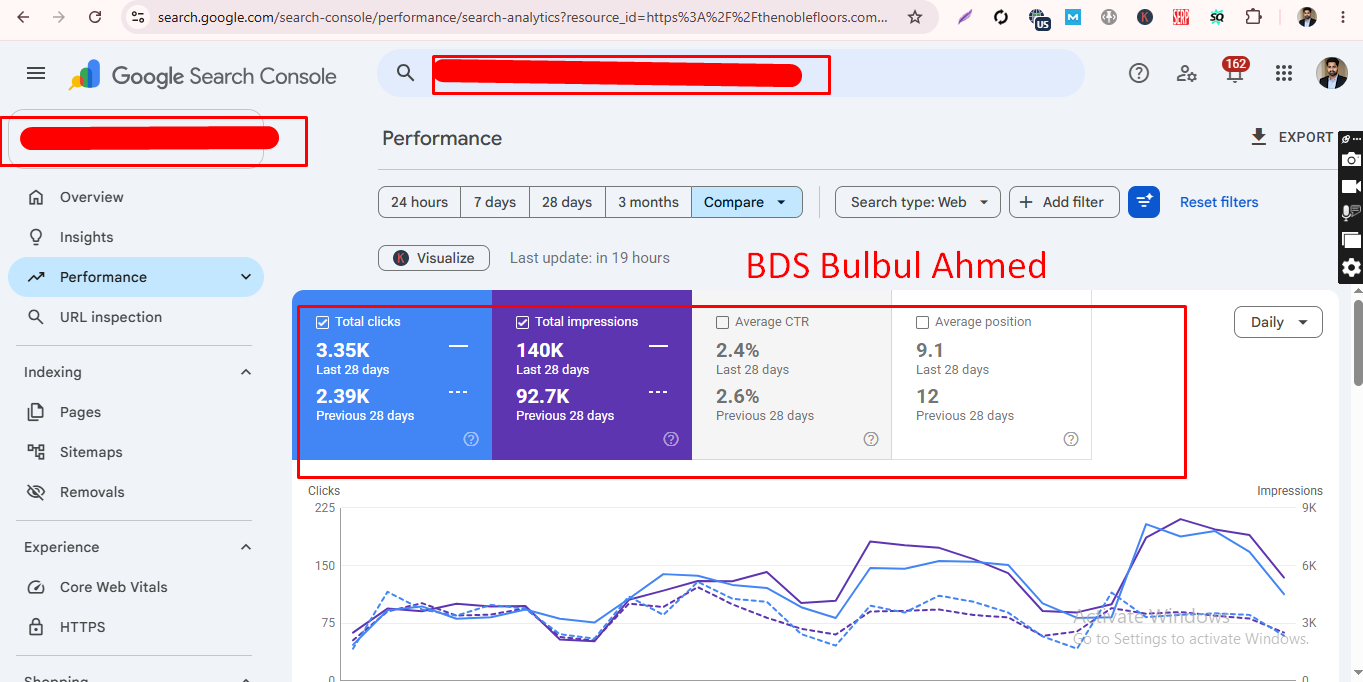
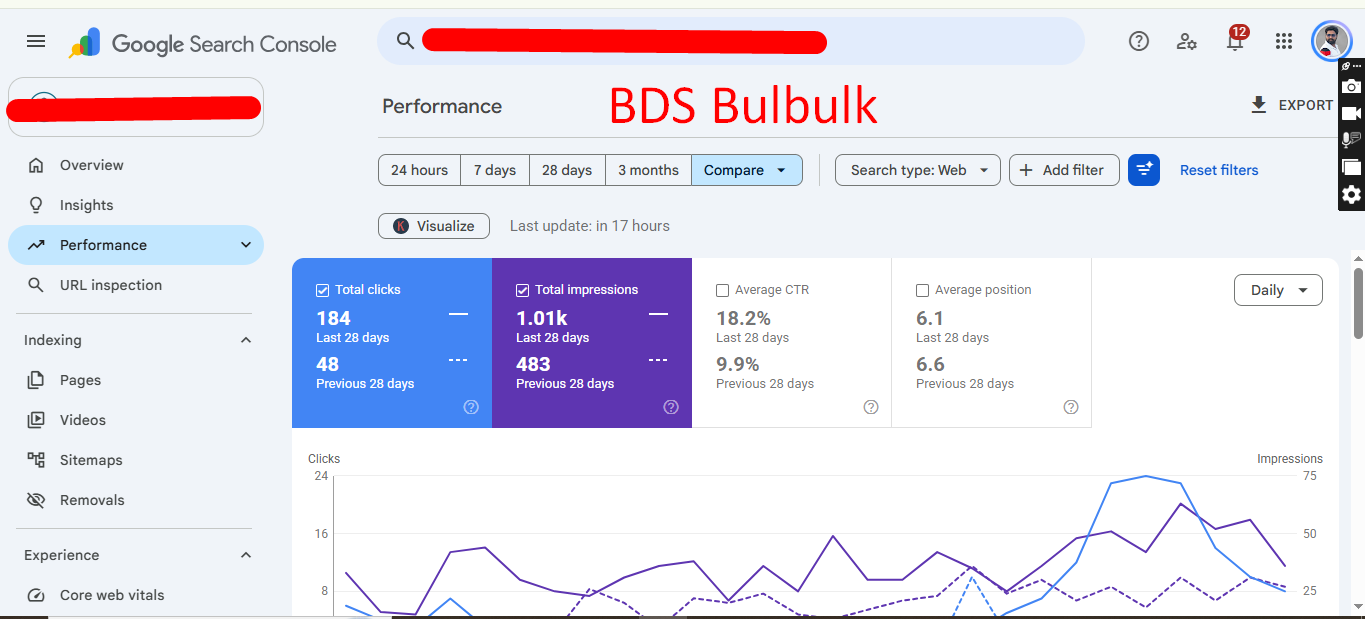
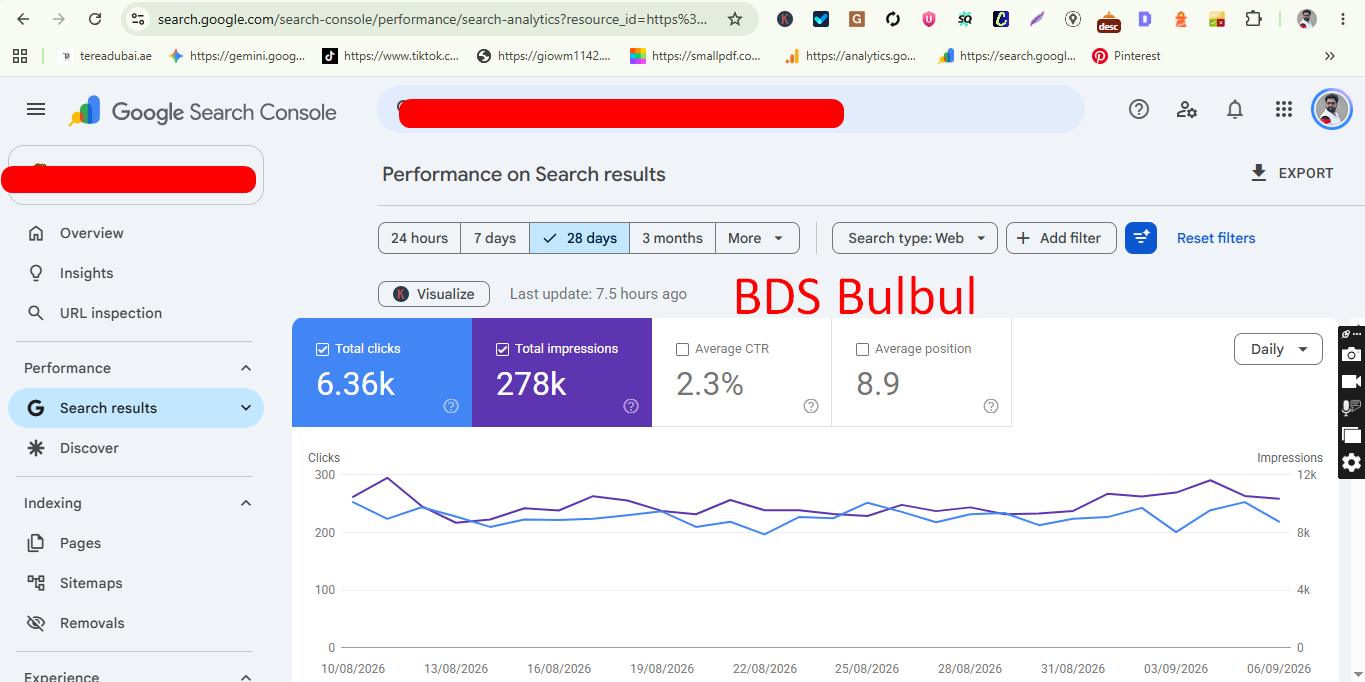
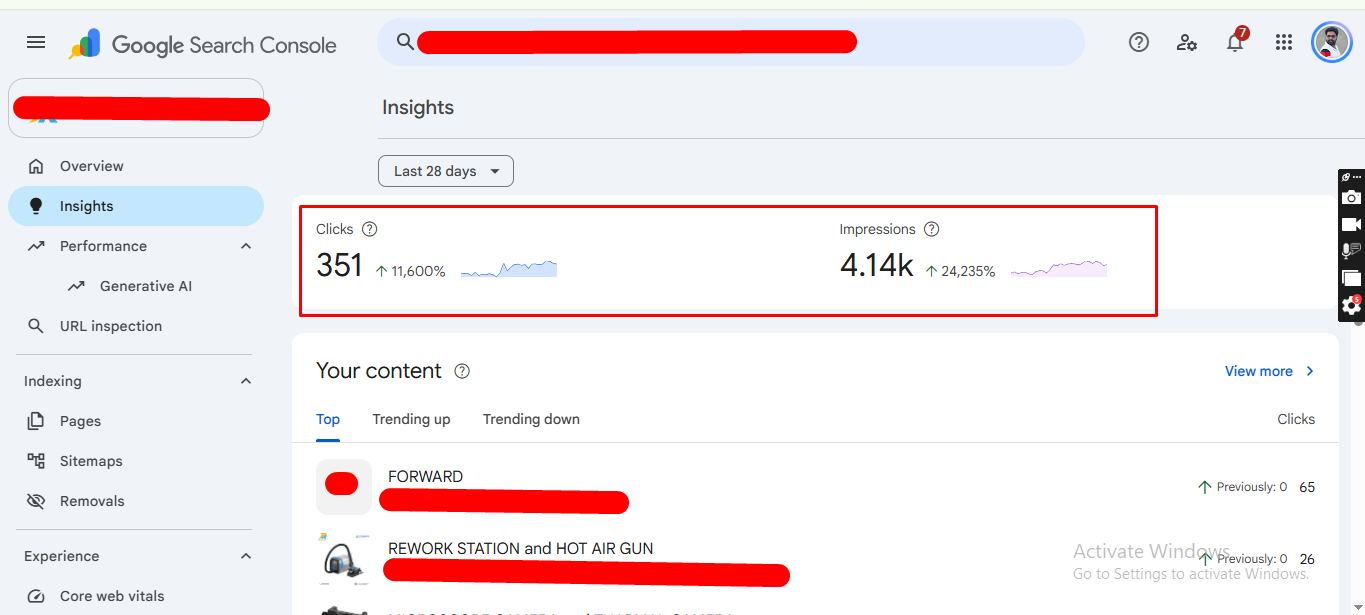
In today’s digital age, when every business wants to ensure an online presence, SEO (Search Engine Optimization) has become an indispensable tool. SEO is a process that helps websites or content to rank well in search engines, resulting in more traffic and desired results. With this, any website or business can easily reach their products or services to potential customers.
SEO improves the position of the website on the search engine results page, thereby reaching more visitors or customers.
The Main Components of SEO
1. The On-Page SEO
On-Page SEO involves optimizing various pages of the website to enhance their usefulness for search engines. A few of the key factors include:
- Content optimization: Using the right keywords in the content, creating quality content, and answering the audience’s questions correctly.
- Keyword Optimization: Choosing the right keywords for each page and using those keywords correctly in the title, heading, URL, and content.
- Meta tags: Write accurate and attractive meta tags so that users are tempted to click on the search engine.
- Internal Linking: Linking from one page of the website to another page, which is also important for search engines.
2. The Off-Page SEO
It is to enhance the authority of the website through activities outside the website. These include:
- BACKLINK BUILDING: Bringing links to your website from other reputable websites.
- Social Media Signals: Sharing website links through social media, which has a positive impact on SEO.
- Brand Mention: Increase brand authority through discussions about the website or brand.
3. The Use of Technical SEO
The goal is to improve the technical aspects of the website so that search engines can easily crawl and index it. A few of the most important components include:
- Site Speed: To speed up the loading speed of the site so that users can load the webpage quickly.
- Mobile-Friendliness: Ensuring that the website runs well on mobile phones.
- XML Sitemap: Helps to understand the exact structure of the website for search engines.
4. The Use of Local SEO
This is especially important for local businesses, such as restaurants or shops. This includes:
- Setting up the website’s Google My Business profile.
- Listing the website in a local directory.
- Maintaining name, address, and phone number (NAP) compatibility.
5. The Content Marketing
SEO is more effective through content. Creating pure content, optimizing keywords, meeting specific audience requirements, etc. helps improve SEO.
Why is it important for SEO?
- Increase organic traffic: SEO is a powerful way through which you get the opportunity to bring organic traffic to the website; that is, you can attract visitors without paid advertising.
- Building credibility and trust: High-ranking websites are generally considered to be more trustworthy.
- Improving User Experience: SEO improves the design, content, speed, and usability of the website, which enhances the user experience.
- Long-term results: SEO is a long-term strategy, which provides more sustainable results than paid advertising.
The Relationship Between SEO and Digital Marketing
SEO is an essential part of digital marketing, which increases website traffic as well as strengthens a brand’s online presence. In addition to paid campaigns such as PPC (Pay Per Click) and SMM (Social Media Marketing), SEO helps you succeed organically.
No matter how powerful the digital marketing strategies other than SEO are, they may not be as effective if the site is not optimized in the eyes of search engines.
The Future of SEO
SEO is constantly changing, and the SEO strategy changes in line with Google’s algorithm updates. By 2025, artificial intelligence (AI) and machine learning will gain more importance in SEO, through which search engines will provide more human-like results. That’s why digital marketers need to pay attention to regular SEO updates.