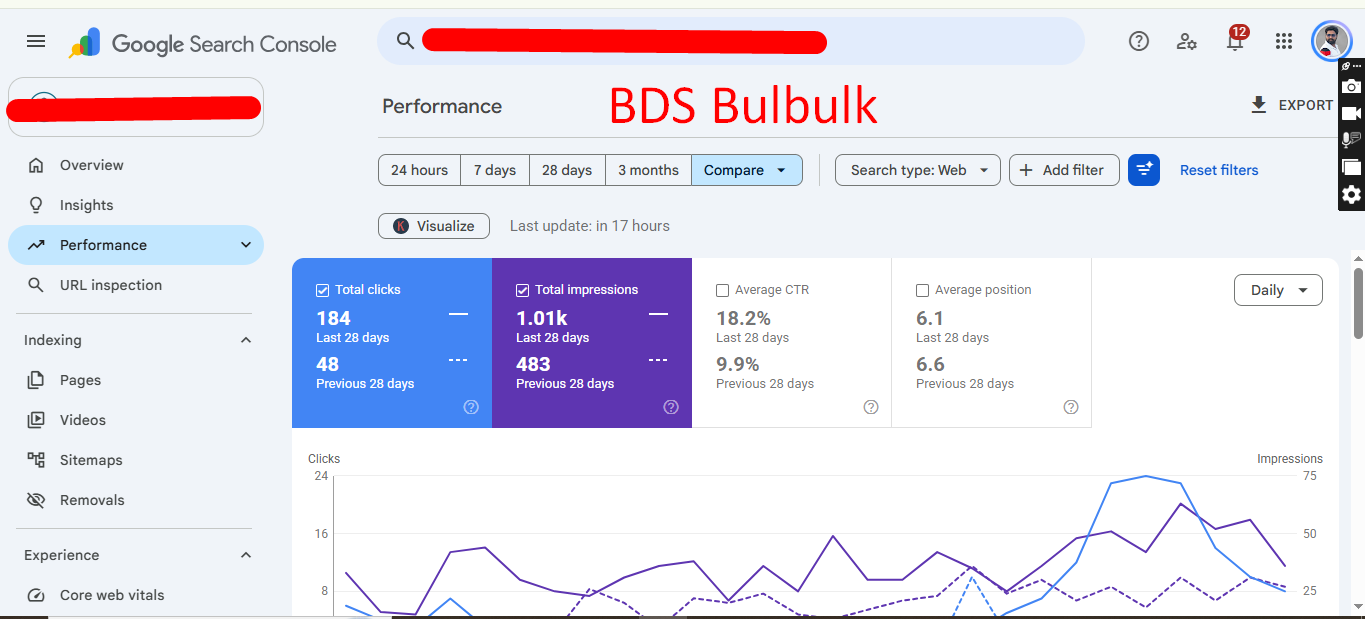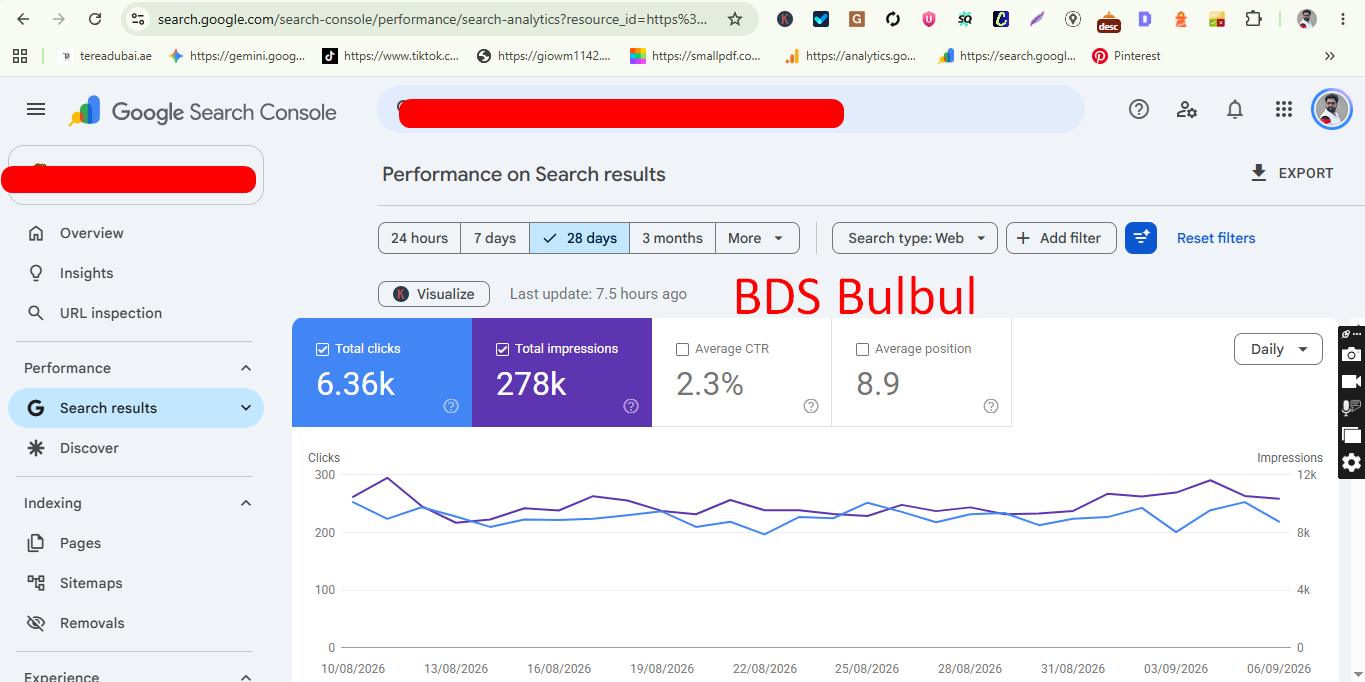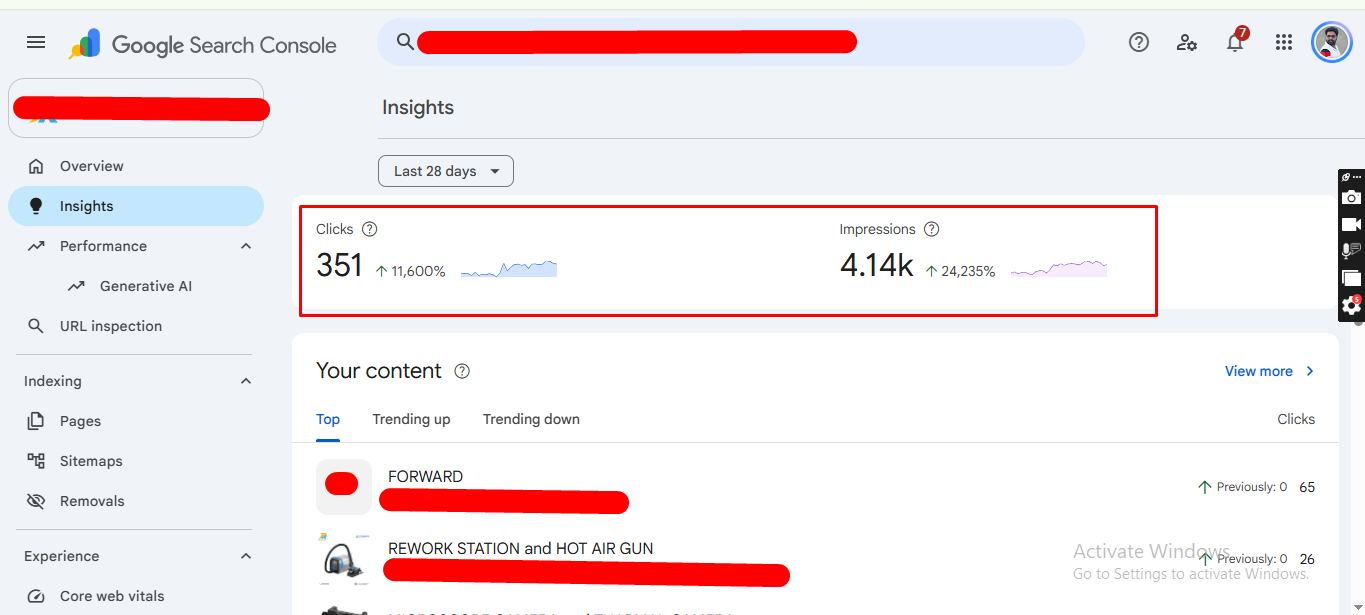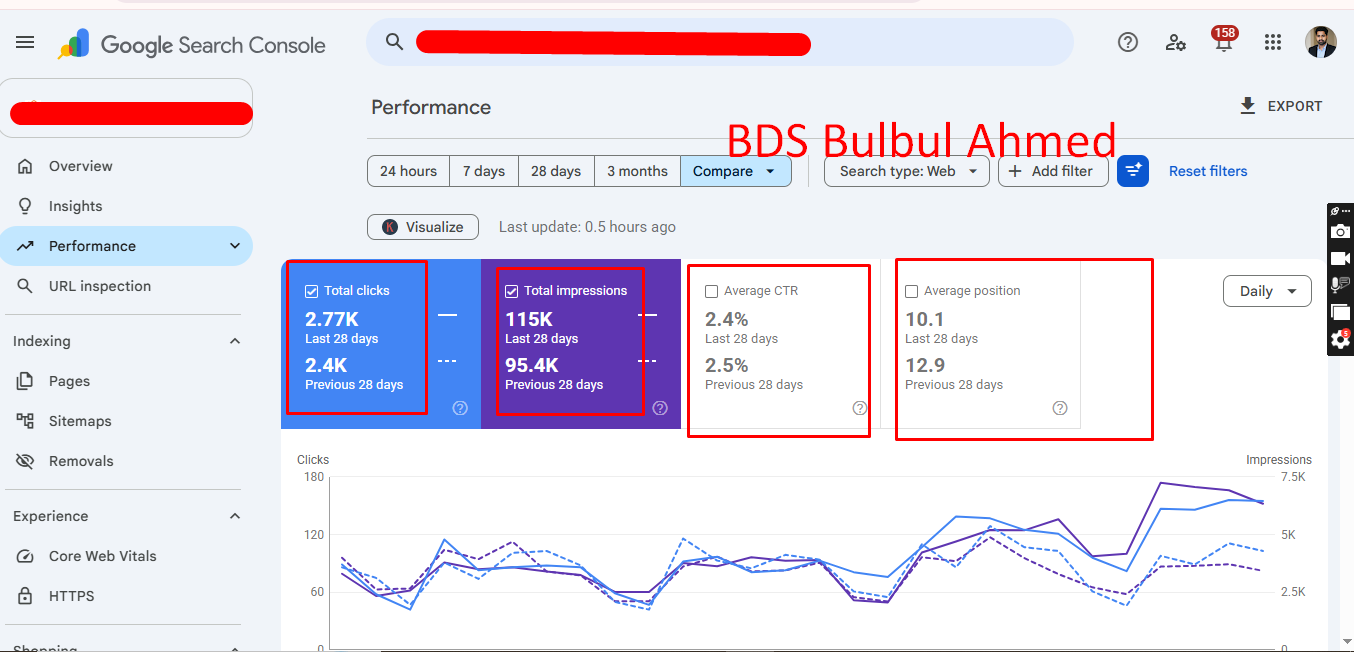
On-page SEO refers to all the optimization actions you take directly on your website to help search engines understand your content and its value. 2 This kind of work is your foundation—without it, off-page efforts won’t matter.
Key Focus Areas Why It’s Crucial High-quality content ensures your site provides the best, most relevant answer to a user’s query. Keyword optimization helps search engines map your content to what users are searching for. Technical Optimization Includes fast load times, mobile-friendliness, and a clear site structure (using headings, internal links, etc.). User Experience (UX): Low bounce rates and high engagement signals (dwell time) tell Google your site is authoritative and trustworthy.
In essence, on-page SEO proves that your content deserves to rank highly because it’s the best resource available.
Off-Page SEO: Building a Great Reputation (Authority & Trust)
Off-page SEO refers to actions taken outside of your website to influence your site’s reputation, authority, and popularity. 3 This type of marketing is primarily about trust signals and endorsements.
Key Focus Areas Why It’s Crucial High-Quality Backlinks Links from reputable, relevant websites act as votes of confidence, telling Google that others trust your content. Domain Authority (DA) A strong backlink profile increases your DA, making it easier to rank for competitive keywords. Brand Mentions & Social Signals: Indicates real-world popularity and buzz around your brand and content.
In essence, off-page SEO proves that your content is trusted and endorsed by the rest of the web. 4
The Verdict: Why You Need Both
An analogy often helps here:
Scenario SEO Equivalent Ranking Outcome Great Content, No Backlinks Perfect On-Page, Zero Off-Page Your content is fantastic, but no one knows about it. Ranks Poorly. Poor Content, Lots of Backlinks Poor On-Page, Great Off-Page You have a great reputation, but when people visit, the content is terrible. Ranks Poorly (Google’s algorithms will eventually penalize the low quality and poor user signals). Great Content, Quality Backlinks Strong On-Page, Strong Off-Page The ideal situation. Your content is the best, and respected sites confirm its value. Ranks Highly.
Conclusion:
- You must prioritize on-page SEO first because you can’t build a reputation for bad content. Quality and relevant content are prerequisites.
- Once your on-page is solid, off-page SEO acts as the fuel that propels that great content up the search rankings, especially for competitive terms.