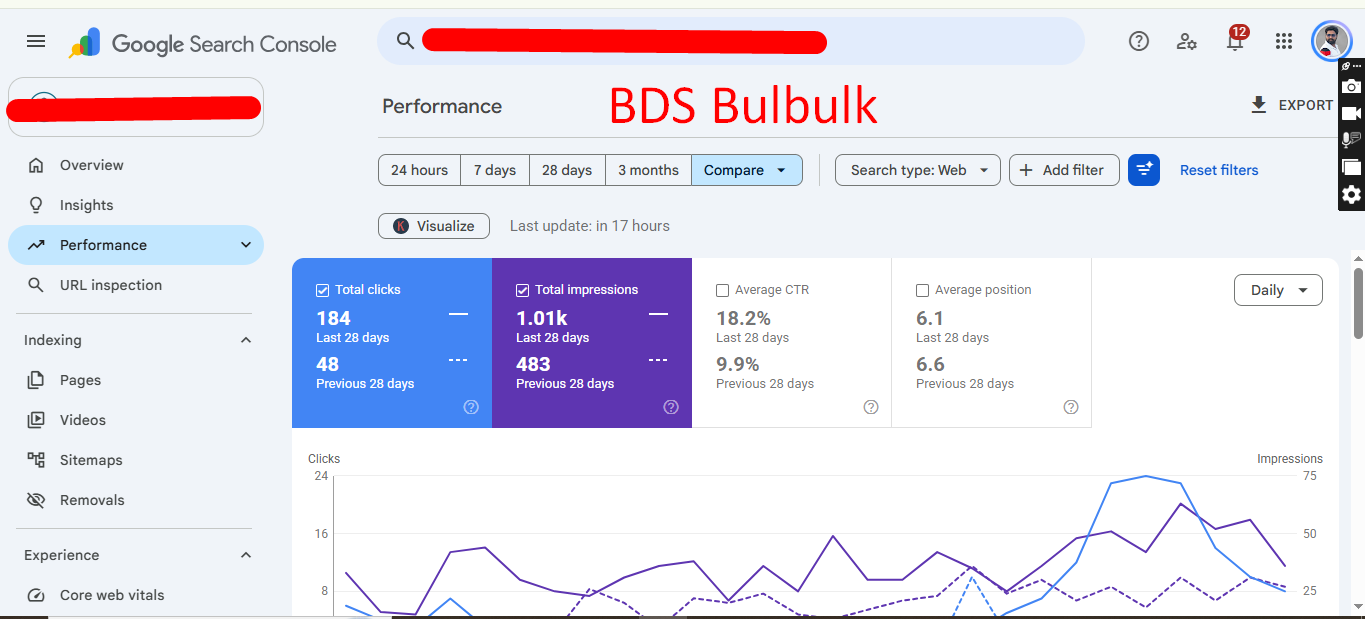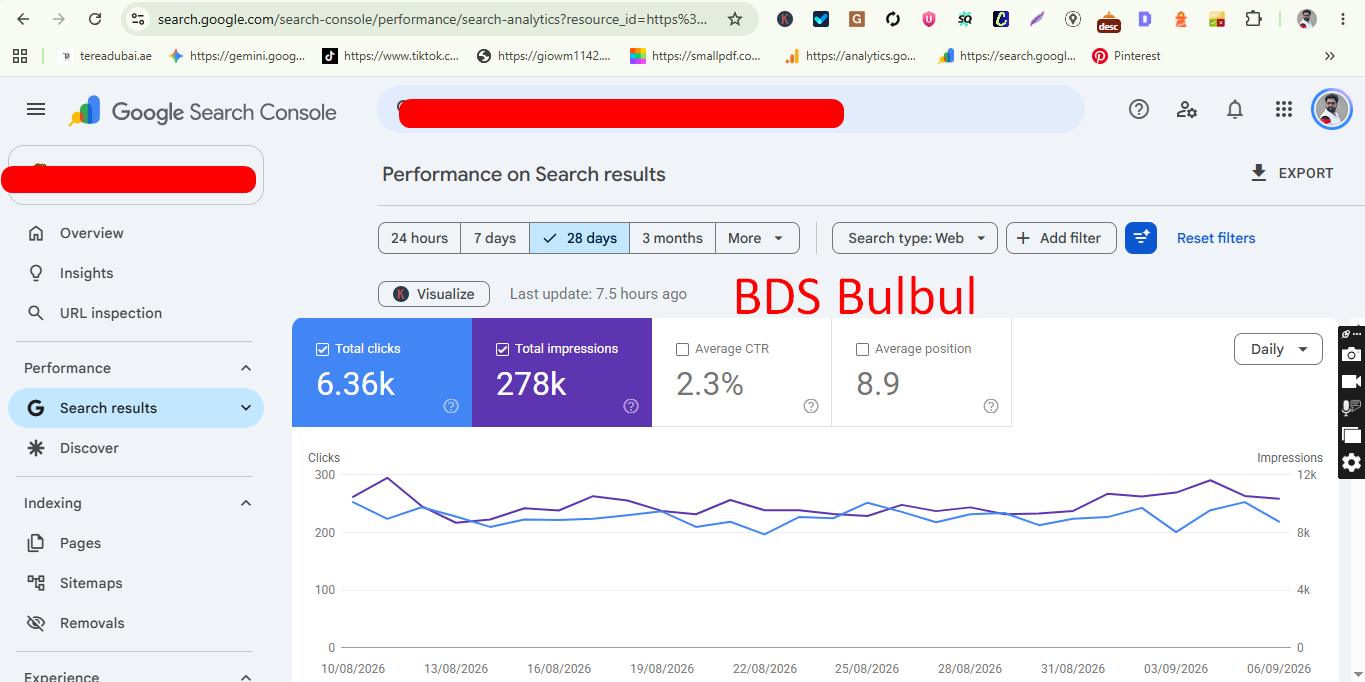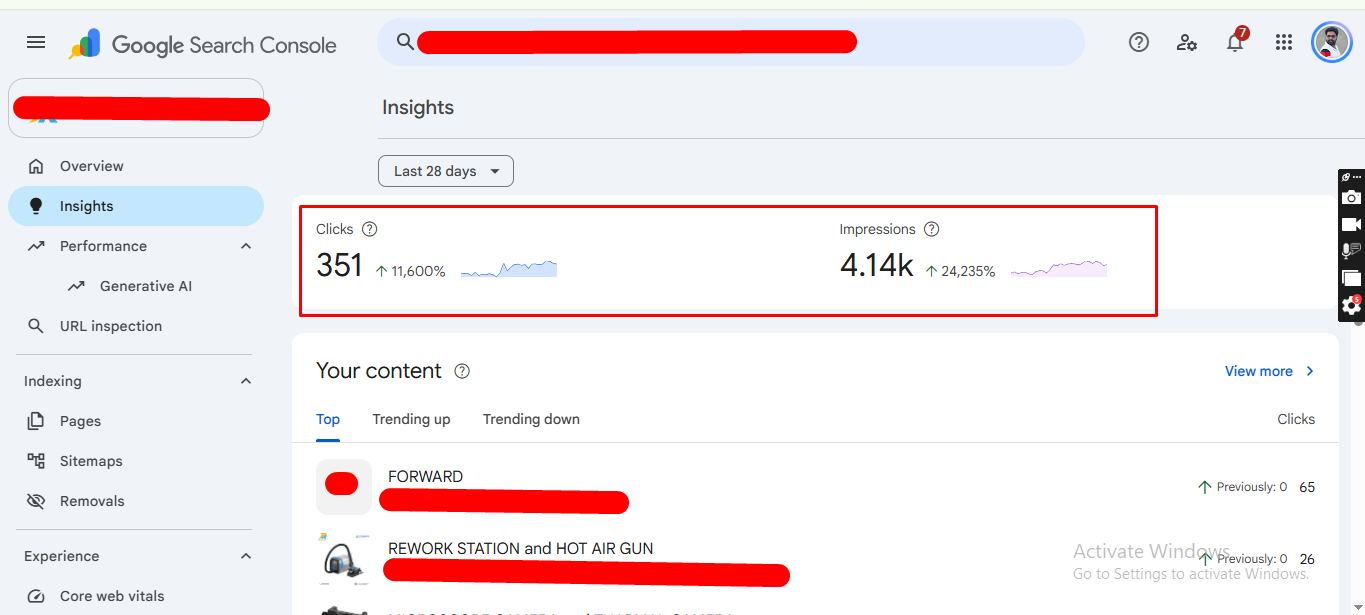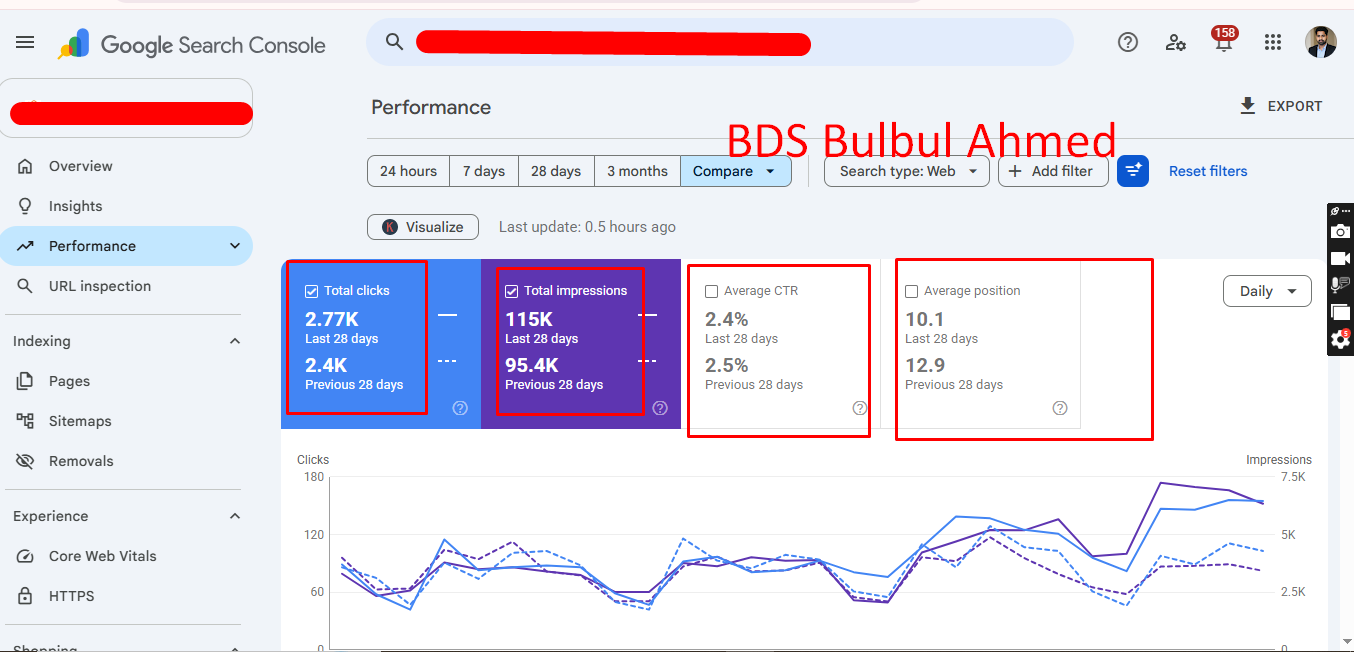
SEO (Search Engine Optimization) is the process of improving a website’s ranking in search engines like Google Search or Bing.
To put it simply: When someone types a question into a search engine, if the topic of your website is related to that question and your website is well optimized (for both search engines and users), then the search engine can display your site in the rankings.
Why is SEO Important?
- Increased Visibility: If a person searches for something relevant to your website, SEO helps your site show up in their search results.
- More Visitors = More Potential Customers: More visitors to your site means more potential customers or readers.
- Improves Credibility: Good SEO can improve the credibility of your website.
- Long-Term Results: Unlike paid ads that stop once the campaign ends, SEO delivers long-term results, but achieving them requires consistent effort.
- Adaptation to Search Engine Changes: As search engines evolve (e.g., mobile-first indexing), SEO-friendly websites continue to thrive.
Key Elements of SEO
Here are the main elements of SEO, which will help you understand how it works:
1. Keyword Research
- Find out what words or phrases users are likely to search for.
- Example Keywords: “What is SEO,” “Learning SEO in Bengali,” etc.
- Your choice of keywords is crucial in this process.
2. On-Page Optimization
- Add keywords to page titles, meta descriptions, headings (H1, H2…), etc.
- Ensure the URL structure is clear and user-friendly.
- Create high-quality, informative, and user-friendly content.
- Optimize alt tags for images and videos, and improve page load speeds.
- Use internal and external links where necessary.
3. Technical SEO
- Ensure that search engine bots can crawl and index your website.
- Ensure excellent site speed, mobile-friendly design, and HTTPS security.
- Maintain an XML sitemap and check the robots.txt file.
- Ensure proper management of www vs. non-www and canonical URLs.
4. Off-Page SEO
- Off-page activities that impact your ranking include:
- Linkbuilding (Backlinks): Links from other reputable websites pointing to your site.
- Social Media Signals and Brand Context: Engagement on social media and brand mentions can impact ranking.
Note: If you have poor-quality links, it can slow down your ranking progress.
5. Content Marketing and User Experience (UX)
- Focus on creating content for people—not just for search engines.
- If users visit your page and leave quickly (a high bounce rate), the search engine may interpret that the page is not valuable.
- Optimize for a responsive design, easy navigation, and an attractive layout.
SEO Mistakes to Avoid
- Keyword Stuffing: Overloading a page with keywords that don’t add value to users is penalized by search engines.
- Cloaking: Showing different content to users and search engines—this is a form of black hat SEO.
- Hidden Text or Links: Text or links hidden from users but given to search engines.
- Creating Low-Quality Content: Filling your site with irrelevant or low-quality content solely for ranking purposes can lead to penalties.
How to Get Started with SEO
- Analyze Your Website: Check for speed, mobile compatibility, and indexation status.
- Keyword Research: Identify what your target audience is searching for.
- Write High-Quality Content: Incorporate keywords and ensure smooth user navigation.
- Check for Technical Difficulties: Ensure site speed, HTTPS, XML sitemaps, and robots.txt are properly configured.
- Start Link Building: Try to get backlinks from trusted, high-quality websites.
- Monitor Regularly: Track your website’s traffic, assess which pages perform well, and make necessary adjustments.
Conclusion
SEO is an ongoing process—it’s not a one-time task. Search engines are constantly updated, and user behavior evolves.